




A client sat across from me in March, a woman who had been saving for eleven years and had finally pulled together enough to make a serious property decision, and she said she had narrowed it down to two options. A two-bedroom in Lekki Phase 1 or a one-bedroom on Victoria Island. Same budget, roughly. Different everything else. She wanted me to tell her which one to buy.
I told her the honest thing, which is that the answer depended entirely on questions she had not yet asked herself, and that most of the people who would give her a confident answer without asking those questions first were people who stood to benefit from one outcome or the other. She looked at me the way people look when they paid to hear something cleaner than the truth. I told her to give me twenty minutes.
This is, more or less, what I told her.
Victoria Island is a prestige address. It has been a prestige address for forty years and it will likely remain one, and the market prices it accordingly. What that means in practice is that the entry cost is high, the rental yield is lower than you would expect for that entry cost, and the tenant profile, the multinationals, the expatriates, the Lagos old money that still keeps a VI address for business reasons, is narrower than it has ever been. Companies that used to maintain VI apartments for relocating staff have spent the last five years quietly renegotiating that position. Serviced apartments have eaten into the short-let market. The people who are still paying premium VI rent are paying it for reasons that are specific to their circumstances, and those circumstances are becoming less common, not more.
I spoke to a landlord in VI last year, a man who owns three flats in the same building off Ahmadu Bello Way, and he told me something that stayed with me. He said he spent fourteen months chasing a tenant for one unit in 2023. Not because the flat was bad. The flat was fine. He just could not find the specific kind of tenant that VI rents demand, someone whose employer was paying, or whose lifestyle required that particular postcode, at the price the market said the flat was worth. He eventually rented it for significantly below asking. He did not volunteer the exact figure, but the silence when I asked told me enough.
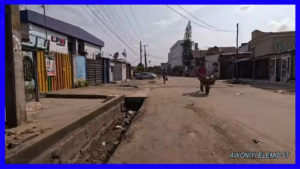
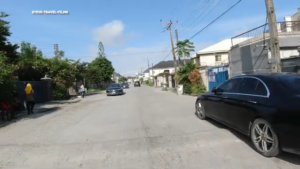
Lekki Phase 1 is a different kind of market, and I say this as someone who has watched it closely enough to be irritated by some of its habits. The infrastructure gap is real. Flooding on certain streets is real. The traffic that makes a Phase 1 address feel further from the mainland than the map suggests is real. These are not small things. But the rental demand is deep and it is broad in a way that VI is not, and for an investor whose primary concern is consistent occupancy over capital appreciation that has not yet materialised, that breadth matters. Young professionals, small business owners, middle management at the banks and telecoms companies that have clustered around that axis, these are not exotic tenants. They are everywhere. They are looking.

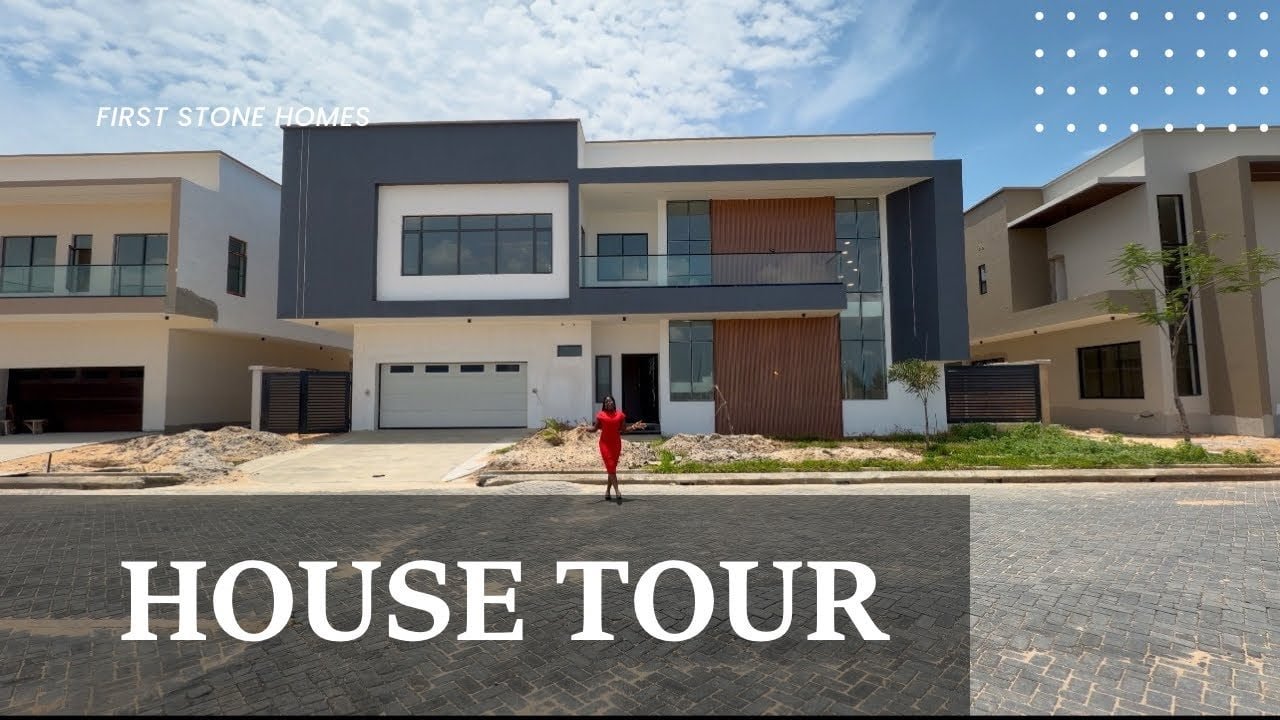
The thing that changed my thinking about this comparison, genuinely changed it, was not a number. It was a conversation I had with an agent who operates across both markets, one of the few people I trust in that business because he has no incentive to steer me either way. He told me that the Lekki Phase 1 market had become, in his words, more forgiving. By which he meant: voids are shorter, negotiations are less punishing, and tenants who can afford Phase 1 have more flexibility in their lives than the very specific category of person that VI requires. I had expected him to say VI was recovering. He did not say that.
Here is the uncomfortable part for the developers and the estate consultants who built their businesses on the VI mystique: prestige without liquidity is a difficult asset to hold. You can own the most reputable address in Lagos and still be waiting for a tenant while your Phase 1 neighbour’s property has been occupied continuously for three years. Reputation does not pay service charges.
None of this means VI is a bad investment. It means it is a specific investment, one that rewards patience, favours people who already have other income streams, and should not be bought with money that needs to work quickly.
Lekki Phase 1 has problems. VI has problems. The difference is who those problems punish most.
If you need your investment to generate income within the first two years, and your budget is the same for both, take Lekki Phase 1. If you are building a long-term portfolio and can absorb a slow start, VI still has arguments in its favour. But make the decision based on your cash flow reality, not the address you want to tell people at a dinner party.


Lukmon Isiaq is a Lagos-based property researcher and street-level writer who has spent years studying the Ajah corridor the way most people never bother: on foot, in compounds, and in conversation with landlords, tenants, caretakers, and estate agents who operate where the listings end and the real story begins.
He is not a property developer. He is not a real estate marketer. He is the person you call before you sign anything. The one who has personally walked flood-prone streets after October rain, argued with agents over undisclosed charges, and documented how the Lagos housing market actually works for ordinary Nigerians trying to make serious decisions with serious money.
His writing on Abraham Adesanya Estate Lekki Ajah covers the Ajah corridor, Ikota Villa, Ajao Estate, Ogudu GRA, and the wider Lekki property market with one consistent standard: the honest version, not the brochure version.
He understands the gap between what a listing promises and what a tenant discovers on their first rainy season.


