




Rasheed showed me the receipt on his phone. A screenshot, slightly blurry at the edges the way screenshots always are when someone has forwarded them through too many WhatsApp hands before they reach you. He had paid three million, eight hundred thousand naira for a plot of land somewhere between Igbogbo and the Ikorodu axis, based on a conversation with a man he met at his cousin’s wedding, based on a brochure that featured a road that did not yet exist, based on the word “corridor” appearing four times in a two-page document that was not a survey and was not registered with anyone whose name he could verify. He was telling me this eighteen months after the payment, still waiting for his allocation, still sending messages that came back with excuses that had started as plausible and were now simply repetitive. “Rasheed,” I said, “who told you this was a smart investment?” He said: “Everybody was saying it.”
Everybody is still saying it. That is the problem.
I want to be honest with you about the Ikorodu to Ibeju-Lekki corridor, because I have walked parts of it, spoken to people living along it, and watched both genuine opportunity and deliberate fiction operate side by side on the same stretch of road, sometimes within the same conversation. The honest answer is that the corridor is real. The potential is real. And the exploitation of that potential by people selling land they do not own, in schemes they cannot deliver, to buyers who are too excited by the narrative to slow down and ask the basic questions, is also very real.
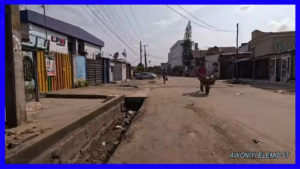
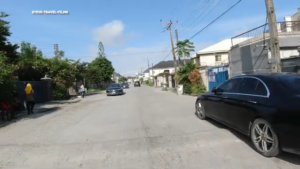
Ikorodu has been undervalued for longer than it should have been. Anyone who has driven through Igbogbo, past the market and into the quieter residential streets behind it, knows that what exists there is not bush. There are established communities, functional roads in parts, schools, churches, mosques, the infrastructure of ordinary Lagos life. The argument for property value growth in that axis is not invented. Ikorodu is Lagos. It has always been Lagos. It just did not have the expressway narrative, the airport proximity story, the Dangote refinery conversation attached to it. Now it does, and the moment those narratives attach, the marketers arrive before the infrastructure does and the prices begin to move before the documentation catches up.
That gap between narrative and documentation is where Rasheed’s money went.

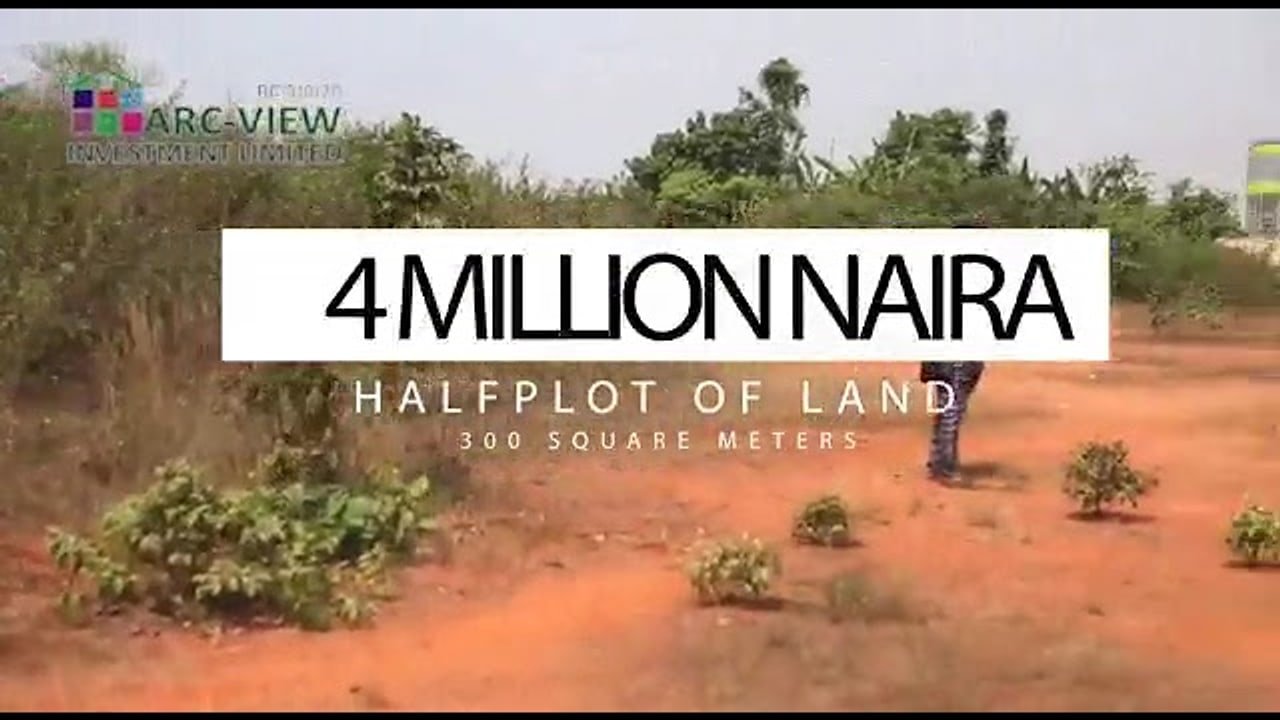
What shifted my thinking on this corridor was not a bad deal. It was a good one, which almost never happens and which is therefore more instructive. A woman I will call Auntie Bisi, retired schoolteacher, bought a half-plot in a small estate development outside Ikorodu in 2019 through a developer she had used before for a property in Ojodu. She paid, she received her documents, she visited the site three times during development, and she sold in late 2023 for more than double her entry price. She told me: “The difference was I knew the person. Not the brochure. The person.” She had seen that developer handle a problem with another buyer. Seen how they responded when something went wrong. That was her due diligence. Not the road map on the flyer. Not the CGI rendering of what the estate would look like when finished. The character of the human being taking her money.
The Ibeju-Lekki end of this story is more complicated and I will not pretend otherwise. There is genuine industrial and infrastructure activity happening there. The free trade zone, the refinery development, the pressure from Lekki Phase 1 and 2 prices pushing buyers further east. These are real forces. But the distance between where those forces currently reach and where some of the land being sold as “Ibeju-Lekki adjacent” actually sits is sometimes significant enough to matter enormously to your investment timeline. Adjacent in a Lagos marketing brochure can mean forty minutes on a good day or a road that becomes impassable in rainy season. I have been on both kinds of road. They do not feel adjacent when you are on them.
The developers and land merchants operating aggressively in this corridor will tell you that you are buying tomorrow’s value today. Some of them are right. Some of them are selling you land that has title problems, that sits inside disputed family land, that was carved out of a larger parcel and allocated to three different buyers simultaneously. The ones who are lying know exactly what they are doing. They are betting that by the time you find out, they will be at another wedding, talking to another cousin.
You want to know what separates the real opportunity from the fraud in that corridor? It is not location. It is not price. It is paper. A registered survey. A deed of assignment with a traceable title history. A developer whose previous buyers you can call, not WhatsApp, call, and who will speak to you without being prompted. If any one of those three things is missing or delayed or explained away, you are not buying land. You are buying a story. And stories, in Lagos, are free.


Lukmon Isiaq is a Lagos-based property researcher and street-level writer who has spent years studying the Ajah corridor the way most people never bother: on foot, in compounds, and in conversation with landlords, tenants, caretakers, and estate agents who operate where the listings end and the real story begins.
He is not a property developer. He is not a real estate marketer. He is the person you call before you sign anything. The one who has personally walked flood-prone streets after October rain, argued with agents over undisclosed charges, and documented how the Lagos housing market actually works for ordinary Nigerians trying to make serious decisions with serious money.
His writing on Abraham Adesanya Estate Lekki Ajah covers the Ajah corridor, Ikota Villa, Ajao Estate, Ogudu GRA, and the wider Lekki property market with one consistent standard: the honest version, not the brochure version.
He understands the gap between what a listing promises and what a tenant discovers on their first rainy season.


