




The Landlord’s Number Was Already Switched Off Before She Finished Unpacking
Chisom called me on a Tuesday, and I could tell from the first three seconds that she had already cried about it and was now in the dry, flat stage that comes after. She did not need sympathy. She needed someone to tell her whether anything she had signed meant anything. The answer, when I finally saw the documents, was mostly no.
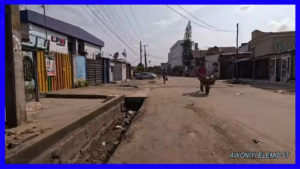
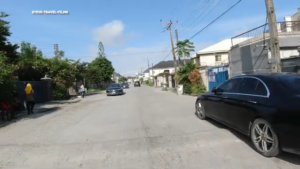
She had rented a two-bedroom flat just off one of the inner roads of Abraham Adesanya Estate, the kind of street where the drainage is unfinished and the compound wall still has the painter’s pencil outline where the property number was supposed to go. She had paid two years upfront. Four hundred and eighty thousand naira, plus agency fee, plus legal fee, to a man who presented himself as both the landlord and his own letting agent, which is the kind of arrangement that should make anyone slow down and ask questions. Chisom did not slow down. The flat looked clean. The agent, who was the landlord, who was also apparently nobody with any legal standing over the property, was charming and prompt and always picked up his phone. Until the day he did not.
By the time she finished unpacking her television and her gas cooker and her children’s school uniforms, the number was going to voicemail. By the end of that first week, it had been switched off entirely. The caretaker of the compound, an old man who knew far more than he said, told her he had not seen the landlord in some time. He said it with the precise, careful blankness of someone who had been instructed to say exactly that and nothing more.
This kind of story is not rare on this corridor. I want to be direct about that. It is not an occasional anomaly that the industry can wave away. It is a structural feature of a rental market that was built, deliberately or not, to protect the person collecting the money and expose the person paying it. Two years upfront became standard practice in Lagos not because tenants agreed to it, not because any law requires it, but because landlords discovered that the housing shortage was severe enough that people would accept almost any condition to secure a roof. The practice stayed because nobody with any power to change it had any incentive to do so.

What changed my thinking, and I have been writing about Lagos housing for long enough that not much surprises me anymore, was the morning I sat with four tenants in a compound near the Ajah roundabout who had all been defrauded by variations of the same scheme, and every single one of them had paid through a registered estate agent. Not some man they met on the road. A registered agent with a sign outside an office, letterheaded documents, a WhatsApp business profile with good reviews. The agent had in each case collected the money, remitted either nothing or a fraction to the actual property owner, and then dissolved into the Lagos traffic. One of the tenants, a civil servant who had transferred from Abuja specifically for a posting in Victoria Island, had paid over seven hundred thousand naira and received a tenancy agreement that referenced a property address that did not match the flat she was shown. She had not noticed. Most people do not notice. They are tired and the heat is bearing down and the agent is explaining something in confident, fast Lagos English and you just want it to be finished.
Chisom eventually recovered a portion of her money, not through any formal process, but through sustained pressure, a lawyer friend, and the particular Lagos social network that sometimes delivers results when official channels cannot be bothered. Many people do not have that network. Many people simply lose the money and move.
I have spoken to agents in this corridor who are honest. They exist. But the honest ones will tell you themselves that their industry has almost no functional regulation, that the LASRERA registration that is supposed to weed out bad actors is inconsistently enforced, and that a fraudster can collect your rent, disappear, resurface under a different business name six months later, and nobody in any official capacity will necessarily stop them.
The one thing I will tell you, the thing that would have changed Chisom’s situation before it became a situation, is this: never pay more than one year upfront to any landlord or agent in Lagos who cannot show you a current, stamped receipt from a verifiable bank account in the property owner’s name, and a tenancy agreement reviewed by a lawyer you found yourself, not one the agent recommended. Not because this eliminates all risk. But because a fraudster cannot satisfy both conditions. They can forge one document. Satisfying both requirements, with independent verification, is where the scheme falls apart. Everything else is charm. And Lagos has never been short of that.


Lukmon Isiaq is a Lagos-based property researcher and street-level writer who has spent years studying the Ajah corridor the way most people never bother: on foot, in compounds, and in conversation with landlords, tenants, caretakers, and estate agents who operate where the listings end and the real story begins.
He is not a property developer. He is not a real estate marketer. He is the person you call before you sign anything. The one who has personally walked flood-prone streets after October rain, argued with agents over undisclosed charges, and documented how the Lagos housing market actually works for ordinary Nigerians trying to make serious decisions with serious money.
His writing on Abraham Adesanya Estate Lekki Ajah covers the Ajah corridor, Ikota Villa, Ajao Estate, Ogudu GRA, and the wider Lekki property market with one consistent standard: the honest version, not the brochure version.
He understands the gap between what a listing promises and what a tenant discovers on their first rainy season.


