




Sola called me on a Wednesday morning, voice flat in that particular way people speak when they have moved past anger into something quieter and harder. She had just spent the weekend bailing water from the living room of the flat she bought in Lekki Phase 2. Not rented. Bought. Two years upfront, then outright purchase the year after. She had the documents, the deed of assignment, the receipts. She had everything except drainage.
“The estate agent told me the estate has good infrastructure,” she said. “He showed me pictures.”
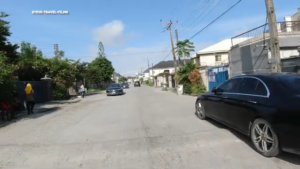
The pictures were taken in dry season. January, most likely, when Lekki looks like the thing being sold to you: wide roads, quiet compounds, the particular calm that photographs well on Instagram and in glossy brochures. Nobody shows you the same street in July. Nobody includes in the brochure the sound of rainfall on corrugated iron at 3am and the slow realisation, somewhere around 3:45, that the water outside is no longer staying outside.
Lekki was built on a narrow sand peninsula. Atlantic on one side, Lagos Lagoon on the other. Underneath the surface, even where sand-filling has been done, the water table sits so close to the ground that certain parts of this corridor feel less like solid land and more like something the land is only pretending to be. Developers know this. They have always known this. Some of them build accordingly: proper raft foundations, drainage channels that actually lead somewhere, compound levels raised high enough to make a real difference. Most of them do not, because those measures cost money that reduces margin, and the buyers paying for the dream of Lekki ownership are usually not in a position to ask the right questions before they sign.
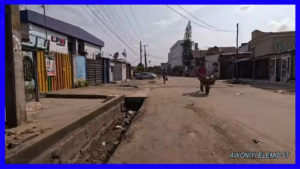
I walked through that compound with Sola the following week. The building was not badly constructed in the ways that are easy to notice. Smooth walls, decent finishes for the price, the kind of job that passes a casual inspection. But the compound sat lower than the road. Just slightly, maybe fifteen centimetres. Enough to mean nothing in harmattan. Enough to mean everything in June. The drainage channel on the side of the building ran toward the road, which itself had no outlet. The water had nowhere to go, so it went inside.
I asked the caretaker about it. He shrugged. “Every year it happens,” he said. “Last year was worse.”
Last year was worse, and nobody mentioned this before the sale.


That is the part that stays with me. Not the flooding itself. Lagos floods. That is a fact of this city and not a scandal. The scandal is the sustained silence around it. I have sat with agents on both sides of the Ajah roundabout, people operating out of offices with printed floor plans and professional business cards, and I have watched them describe “good drainage” and “well-planned infrastructure” without meaning either phrase in any specific, verifiable sense. These are marketing words. They are not engineering words. When you are buying property, the difference between those two categories will determine whether you sleep dry in July.
Lekki Phase 2 is not uninhabitable. I want to be clear about that. There are streets where the developer spent real money on raised construction and proper drainage, and those buildings have stood through rainy seasons for years without incident. But those properties are not automatically the ones being sold to first-time buyers or to Nigerians in the UK and US investing remotely, trusting agents they found through a Facebook page or a WhatsApp broadcast. The ones sold to that category of buyer tend to have the better pictures, the smoother pitch, and the fastest closing process.
Smooth and fast in Lagos property should make you slow down. Not speed up.
I have spent time on the streets feeding into Abraham Adesanya Estate from the expressway, the ones where the generator noise starts around six in the morning and the compound walls are painted with phone numbers for properties that may or may not still be available. The drainage conversation there is the same conversation. Some compounds sit well. Some do not. The difference between them is not random. It reflects how seriously the developer treated infrastructure when no buyer was watching, which is precisely when developers reveal what they actually believe about the people who will eventually live in their buildings.
Before you finalise anything in Lekki Phase 2, visit during rain, or immediately after. Not a courtesy visit. A deliberate visit where you are looking at the ground level of the compound, watching where the drainage goes, checking whether the road outside sits higher than the entrance gate. That one visit will tell you more than every document in the developer’s folder.
Nobody in this market is going to volunteer that information. Which is exactly why you have to go and look for yourself.


Lukmon Isiaq is a Lagos-based property researcher and street-level writer who has spent years studying the Ajah corridor the way most people never bother: on foot, in compounds, and in conversation with landlords, tenants, caretakers, and estate agents who operate where the listings end and the real story begins.
He is not a property developer. He is not a real estate marketer. He is the person you call before you sign anything. The one who has personally walked flood-prone streets after October rain, argued with agents over undisclosed charges, and documented how the Lagos housing market actually works for ordinary Nigerians trying to make serious decisions with serious money.
His writing on Abraham Adesanya Estate Lekki Ajah covers the Ajah corridor, Ikota Villa, Ajao Estate, Ogudu GRA, and the wider Lekki property market with one consistent standard: the honest version, not the brochure version.
He understands the gap between what a listing promises and what a tenant discovers on their first rainy season.


