
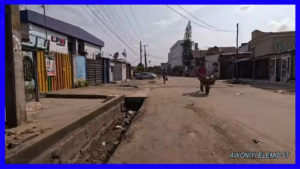
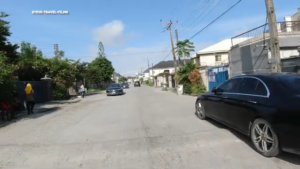




The plot was empty when I went to see it. Just red laterite soil, the kind that stains your trouser hems permanently, a single concrete pillar someone had driven into the ground to mark a corner, and a printed sign zip-tied to a stick: LAND NOT FOR SALE. BEWARE OF 419. The sign looked recent. Two, maybe three weeks old at most.
The Adeyemis had paid N120 million for this land fourteen months earlier.
I had heard the story through a contact at a law firm near Ajah roundabout, one of those small offices wedged between a pharmacy and a phone accessories shop, the kind where the ceiling fan works only on its lowest setting and the files are stacked in towers on every available surface. The lawyer told me about the family the way people in Lagos relay certain stories, with a kind of weary recognition, as if the specific details were different but the shape of the story was completely familiar. And it was. That is what made it worse.
The family was from Ibadan. Father had spent thirty years in the civil service, mother had a fabric business that had done well enough over time. They had a son in Canada who had been sending money back in portions for the better part of a decade. The plan, the one the whole family had organised their financial lives around, was to acquire land in the Ajah corridor, develop it, and have something to show for three generations of careful patience. When the opportunity came through a connection in their church, someone who had already done business in Lagos and could vouch for the agent, they moved.
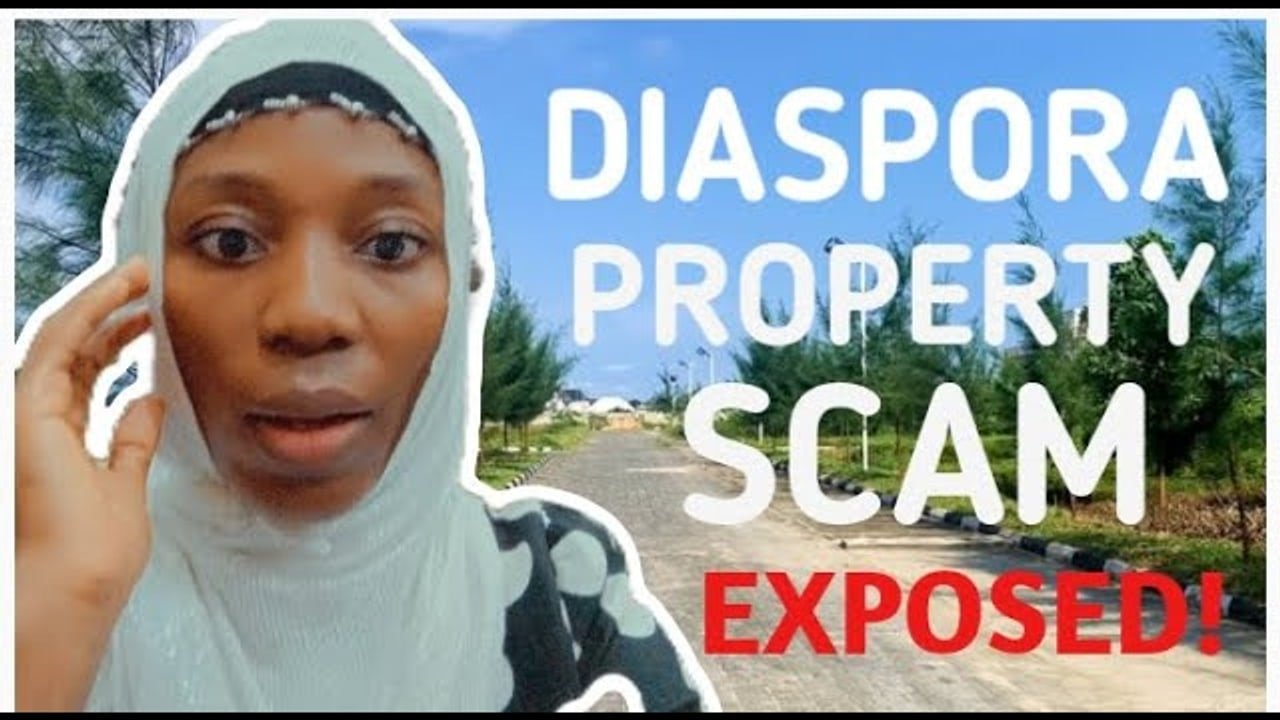
The documents were excellent. I have seen forged property papers in this city and I can usually tell within a few minutes. These ones slowed me down. The survey plan looked right. The deed of assignment had the correct formatting, the right stamps, the signatures in the right places. The receipt for the land purchase at the Lands Registry looked exactly as it should. Whoever put this together had spent real time learning what legitimate documents look like, and that investment of time tells you something about the scale of deliberate organisation behind these operations. This is not a man with a fake story and confidence. This is an industry.
What broke the transaction open was not anything the Adeyemis did right. It was an accident. A neighbour to the plot, a woman who had been trying to fence her own adjacent land, commissioned a fresh survey and the surveyor flagged that the coordinates on the title documents circulating for the neighbouring parcel did not match the physical location. One surveyor, doing a routine job for a different client, asking a question that nobody had thought to ask. That is what fourteen months and N120 million came down to.

By then the agent had changed his phone number. Twice. The church connection was suddenly unavailable, then apologetic, then lawyered up. The man who had signed as guarantor on the transaction, whose name appeared on one of the supporting documents, turned out to be a real person with no knowledge that his identity had been used. He was, if anything, more distressed than the family when he found out.
I spoke with the father at a relative’s flat in Ajah, a ground floor apartment where the generator outside had been running since before I arrived and the smell of diesel had settled into the furniture. He was not crying. He had moved past that. He spoke about the whole thing with the particular composure of someone who has already done all his grieving privately and decided that what remains is to just state the facts. He said, very quietly, that the son in Canada had stopped calling as often. That the money was gone in a way that could not be rebuilt.
I want to say something clearly here because I have watched too many versions of this story: the fraud worked because of how the legitimate property documentation system in Lagos is structured. When a buyer cannot walk into a government office and verify, in real time, whether a title is clean and unencumbered, with no agent in the middle, no payment required, no three-week waiting period, then the gap between what is real and what looks real becomes a business opportunity for people with the resources to close that gap convincingly. The system does not create the criminals. But it feeds them.
If you are buying land anywhere in the Ajah or Lekki corridor above N30 million, do not allow the seller, the agent, or even your own lawyer to be the person who verifies the title. Commission a separate, independent title search through a firm that has no relationship with anyone in the transaction. Pay for it yourself. Keep the results yourself. If anyone in the chain pushes back on that or explains why it is not necessary, that resistance is your answer.
The sign on that empty plot is still there. Someone put it up to warn the next person. The Adeyemis did not get the same warning.


Lukmon Isiaq is a Lagos-based property researcher and street-level writer who has spent years studying the Ajah corridor the way most people never bother: on foot, in compounds, and in conversation with landlords, tenants, caretakers, and estate agents who operate where the listings end and the real story begins.
He is not a property developer. He is not a real estate marketer. He is the person you call before you sign anything. The one who has personally walked flood-prone streets after October rain, argued with agents over undisclosed charges, and documented how the Lagos housing market actually works for ordinary Nigerians trying to make serious decisions with serious money.
His writing on Abraham Adesanya Estate Lekki Ajah covers the Ajah corridor, Ikota Villa, Ajao Estate, Ogudu GRA, and the wider Lekki property market with one consistent standard: the honest version, not the brochure version.
He understands the gap between what a listing promises and what a tenant discovers on their first rainy season.


