




The first time I heard about the fifth break-in, I was sitting inside a half-completed building on the Lekki-Epe corridor, talking to a caretaker named Biodun who manages three properties for an absentee landlord based in Abuja. His phone rang, he listened for about forty seconds, then he looked at me with the specific expression of a man whose point has just been proven for him. Banana Island, he said. Again.
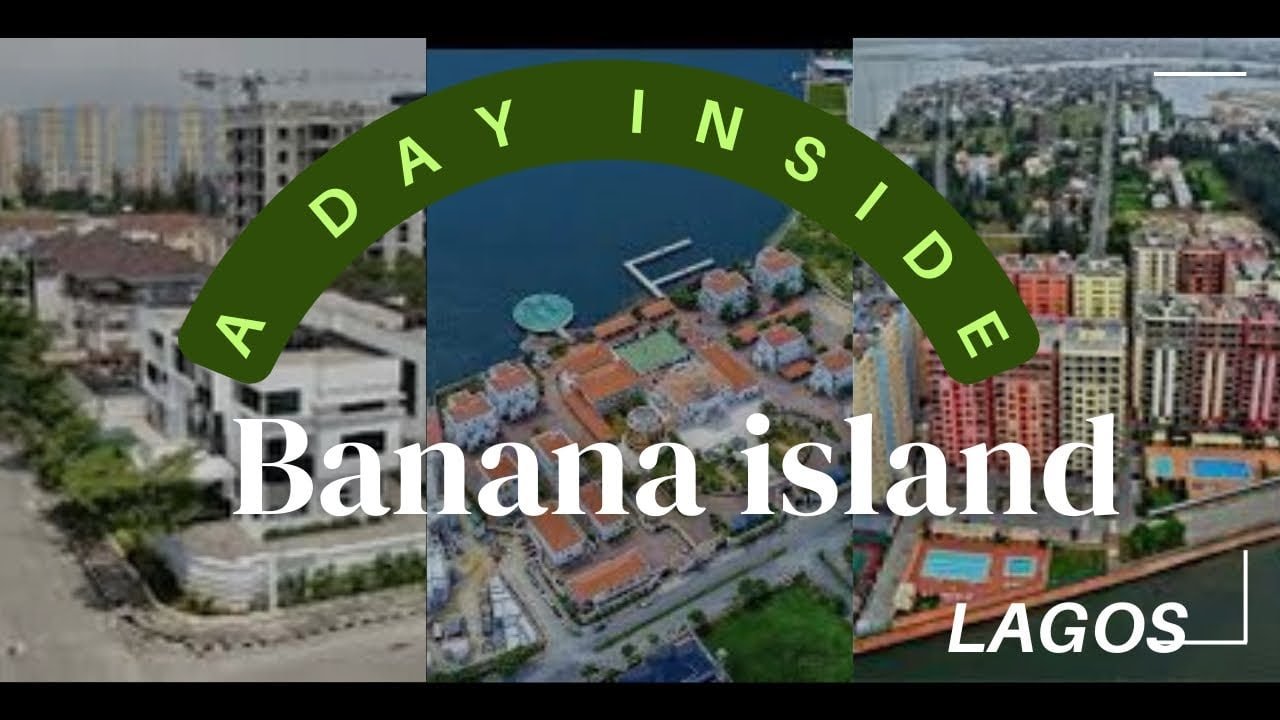
I did not need him to explain the significance. Banana Island is the address Lagos uses to prove something to the world. The gated compound of gated compounds. The place where the generator noise you hear at 6am is from a 500KVA unit that costs more per month to fuel than a year’s rent in most of Ajah. When that address starts appearing in security incident reports, not once, not twice, but five times inside a single month, the question is not just about Banana Island. The question is about what those break-ins are telling the rest of Lagos, including everyone along this corridor from Ajah roundabout to Sangotedo.
Let me tell you what I think is actually happening, because the way this story is being told in some quarters is almost as dangerous as the break-ins themselves.
There is a version of this narrative that wealthy Lagosians and their spokespeople prefer: that this is an isolated problem, specific to one island, specific to some lapse in private security management, fixable with better CCTV and tighter protocols. I have heard this version from three different estate managers this week alone. It is a comforting story. It is also incomplete in the way that most comforting stories about Lagos property are incomplete.
What the Banana Island incidents actually represent is the downstream consequence of a security infrastructure built almost entirely on money instead of systems. Lagos has never had a serious community policing culture. What it has had, for decades, is a tiered arrangement: if you can afford private guards, electric fencing, and panic rooms, you buy yourself a level of safety. If you cannot, you are relying on NSCDC patrols that show up when they feel like it and community vigilantes whose jurisdiction ends at the next street. Banana Island sat at the very top of the money tier. And now the money tier has a leak.
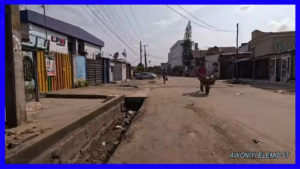
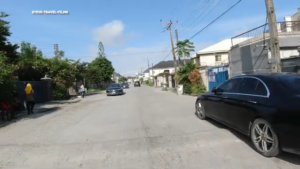
The part that changed my thinking, the moment I stopped treating this as a distant rich-people problem, was a conversation I had two months ago with a woman named Adaeze who was negotiating a two-year rent agreement on a property in Abraham Adesanya Estate. She told me, plainly, that one of her deciding factors was security. She had looked at properties further toward the island corridor and pulled back. If Banana Island people are not safe, she said, at least here I am among community. She meant the informal networks, the Oodua Association notices on the gate, the neighbour who knows your face. She was not being naive. She was making a rational calculation that the old Lagos property hierarchy, where proximity to money meant proximity to safety, was no longer holding.

She is right, and the Banana Island situation is the loudest proof yet.
What worries me more than the break-ins themselves is the response I am already seeing from property marketers and estate agents. Within days of the fourth incident, I noticed a shift in how certain mid-range properties along the Ajah corridor are being described online. Words like community security, estate-managed access, and neighbourhood watch protocols have suddenly appeared in listings that, three months ago, mentioned nothing of the sort. I have seen this before. In Lagos, fear is a marketing tool before it is a policy conversation. Someone is already figuring out how to sell you anxiety relief dressed up as square footage.
The honest thing I can tell you about Abraham Adesanya Estate and this part of Ajah is this: security here has always been a patchwork, and that patchwork has survived mostly because the estate has maintained a density of long-term residents who know each other. The moment that social fabric gets diluted by rapid development, absentee landlords, and short-let turnovers, which is already beginning to happen in certain pockets, the informal safety net weakens too. It does not matter how many security companies put their logos on your gate.
The break-ins on Banana Island are not a Banana Island problem. They are the most expensive symptom of a Lagos-wide failure to build security into the actual structure of how estates are run, instead of just bolting it on as a service you pay for and pray holds.
Before you sign any agreement in this city, find out who actually controls the gate at 2am, and whether that person has any reason to still be there by morning.


Lukmon Isiaq is a Lagos-based property researcher and street-level writer who has spent years studying the Ajah corridor the way most people never bother: on foot, in compounds, and in conversation with landlords, tenants, caretakers, and estate agents who operate where the listings end and the real story begins.
He is not a property developer. He is not a real estate marketer. He is the person you call before you sign anything. The one who has personally walked flood-prone streets after October rain, argued with agents over undisclosed charges, and documented how the Lagos housing market actually works for ordinary Nigerians trying to make serious decisions with serious money.
His writing on Abraham Adesanya Estate Lekki Ajah covers the Ajah corridor, Ikota Villa, Ajao Estate, Ogudu GRA, and the wider Lekki property market with one consistent standard: the honest version, not the brochure version.
He understands the gap between what a listing promises and what a tenant discovers on their first rainy season.


