




The message that started everything was from a woman in Manchester. She had typed it in capital letters, which in a WhatsApp group means either celebration or catastrophe, and it was not celebration. “PLEASE CAN ANYONE TELL ME WHO HAS ACTUALLY RECEIVED THEIR ALLOCATION DOCUMENTS? I PAID IN FULL 14 MONTHS AGO AND THEY ARE NO LONGER PICKING MY CALLS.”
I had been added to the group three days earlier by a contact who said I should watch and not say anything yet. The group was called something like “Emerald Gardens Owners Community” and it had two hundred and forty-seven members. It had the particular energy that WhatsApp groups develop when something has gone wrong but people have not yet agreed to admit it: a mix of those still defending the developer, those asking cautious questions, and a few who had clearly known for a while but were waiting for someone else to say it first.
After the woman from Manchester, others came quickly. A man in Calgary who had paid for two units. A couple in south London who had sent money in installments over sixteen months. A nurse in Dublin who had found the development through a YouTube testimonial from a previous buyer, a man who appeared in the video standing in front of a Land Cruiser, speaking about the returns on his investment, and who turned out, when someone eventually traced him, to have been paid for the appearance.
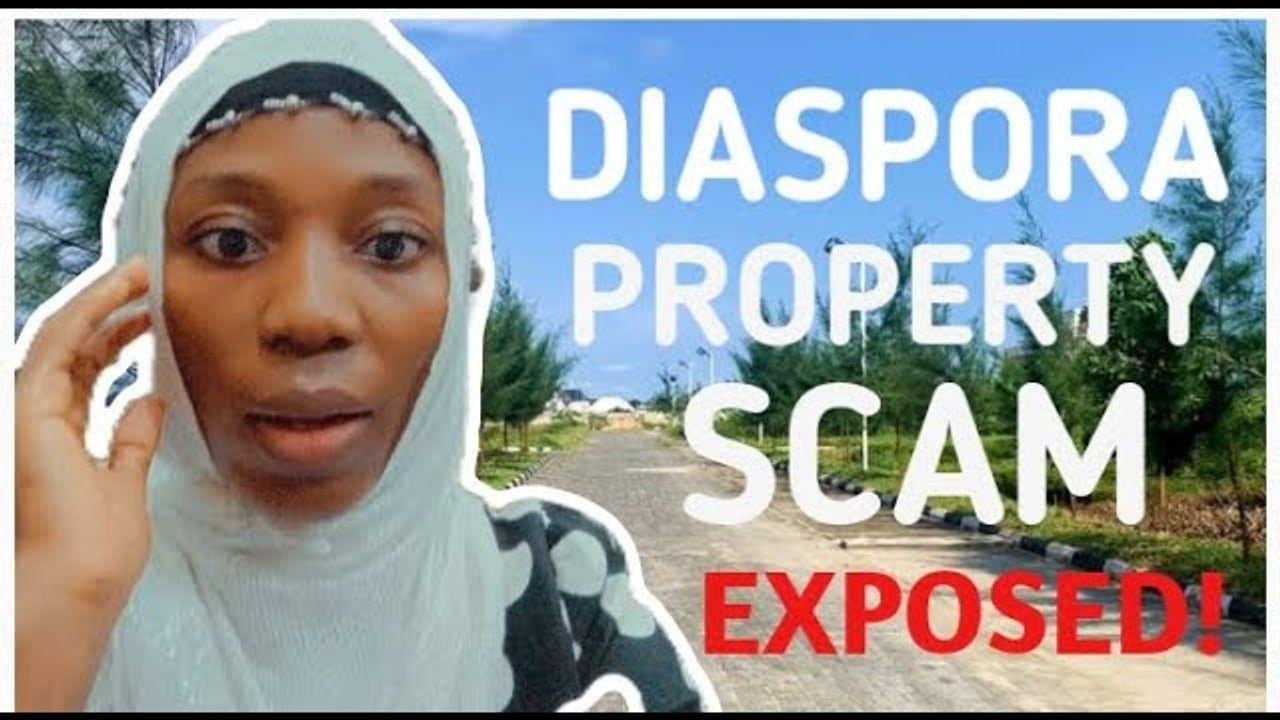
I want to stop on that detail, because it is the one that should concern you most. The testimonial is not a new tool in Lagos property fraud. What is relatively new is the production quality, the precision of the targeting, and the fluency with which these developers speak the language of the diaspora buyer: “building wealth back home,” “securing your future in Nigeria,” “don’t let the distance stop you from owning your own land.” Every phrase is calibrated for someone who left, who feels the distance, who wants to believe that sending money home is also sending themselves home.
The development was supposed to be in the Ibeju-Lekki axis. There were drone videos. Architectural renders with the kind of lighting that makes everything look like it is permanently at golden hour. A site visit video I watched three times before I noticed it had been filmed at a different, already completed project and rebranded with this company’s logo in the corner.
I went to the actual site. It took me forty minutes from the Abraham Adesanya roundabout, past the point where the tarmac stops pretending to be a road, through red dust and the smell of burning rubbish from a settlement that had no business being this close to something marketed as a premium estate. What I found was cleared land, two concrete pillars, and a signboard with the development name on it, which was exactly the stage the site had been at when the first payments started arriving from London and Toronto and Houston, fourteen months earlier.
The thing that changed my reading of this case was not the scale, though four hundred million naira collected from two hundred and forty-seven buyers across three continents is not a small number even by Lagos standards. It was the WhatsApp group itself. Because the developer had created it. They had put all the buyers in one place, and for months it had functioned as intended: people sharing excitement, asking about interior finish options, tagging friends who might want in. The developer had built the instrument of their own exposure. By the time the woman from Manchester typed in capitals, the group had become a courtroom.

Within forty-eight hours, someone had compiled a shared document with every buyer’s name, payment amount, and date of transfer. Someone else had obtained the company’s CAC registration and found it was eighteen months old, incorporated specifically for this development with no prior track record. A retired civil servant in Abuja who had bought for his daughter found the directors’ names attached to an EFCC complaint filed two years earlier, under a different company name entirely.
The developer went quiet. The site number stopped responding. The Instagram page, which had posted consistently for over a year, has not been updated since.
What surprised me, covering this from the Ajah side and speaking to people who had introduced friends and family members to the scheme, was the speed of the exposure once the group turned on itself. Two hundred and forty-seven strangers became, inside a week, a more effective investigative unit than the developer had accounted for in any version of their plan.
If you are buying property in Lagos from outside Nigeria, find at least three other buyers in the same development and form a separate group, one the developer did not create and cannot monitor. Compare your documents side by side. Compare the conversations you have had with their sales team. Compare the promises made to you with the promises made to the person in the next city.
If the stories do not match cleanly, you already have your answer.
The group the developer built to sell the dream ended up being the thing that documented the crime. They did not plan for that. You should.


Lukmon Isiaq is a Lagos-based property researcher and street-level writer who has spent years studying the Ajah corridor the way most people never bother: on foot, in compounds, and in conversation with landlords, tenants, caretakers, and estate agents who operate where the listings end and the real story begins.
He is not a property developer. He is not a real estate marketer. He is the person you call before you sign anything. The one who has personally walked flood-prone streets after October rain, argued with agents over undisclosed charges, and documented how the Lagos housing market actually works for ordinary Nigerians trying to make serious decisions with serious money.
His writing on Abraham Adesanya Estate Lekki Ajah covers the Ajah corridor, Ikota Villa, Ajao Estate, Ogudu GRA, and the wider Lekki property market with one consistent standard: the honest version, not the brochure version.
He understands the gap between what a listing promises and what a tenant discovers on their first rainy season.


