




The signboard was not subtle. They rarely are in this city, but this one had committed to the idea in a way that made you slow down on the expressway to look at it properly. Saheed Osupa’s face, larger than most billboard faces I have seen in this corridor, and not positioned the way celebrity faces usually appear on property signage, that small dignified placement in the corner that says “this person agreed to be associated with us for a negotiated fee.” His name was in the project title itself. That was the first detail that told me this was a different category of arrangement from what I usually see.
I started making calls the same afternoon.
What I found, after speaking with two people connected to the transaction and one property lawyer who had reviewed similar structures, was that the N2 billion figure being discussed in entertainment and property circles was not an endorsement deal. Osupa had not been paid to stand in front of a building and smile. He was, from what I could establish, a participating investor with an actual equity position, meaning the upside and the risk were both his in a way that a flat appearance fee never is. Whether the specific number being circulated is precisely accurate I cannot tell you with certainty. What I can tell you is that the structure of the arrangement was meaningfully different from what Nigerian musicians typically do when they “enter real estate.”
And that difference is the thing worth talking about.
I have watched the Lagos entertainment-to-property pipeline for years. Musicians, comedians, influencers, actors who have had a good run and decide that property is where serious people put money. The decision itself is usually correct. The execution is frequently a disaster, and the disaster almost always takes the same shape. Someone who made fast money in entertainment gets approached by a developer who recognises a person with capital and without deep property knowledge. The artist is offered visibility, a naming opportunity, sometimes equity that exists only on a document with no real enforcement mechanism. They bring their name, their audience, their money. The developer takes all three, delivers a building of variable quality, and the artist spends the next two years either defending something they do not fully understand or quietly distancing themselves from a project that has gone wrong.
I know an artist, I will not use the name, who fronted a residential development in the Ajah area around 2019. His face was on everything. The units sold partly because of him. He collected an appearance fee, signed the documents they put in front of him, and discovered eighteen months later that the compound drainage was designed in a way that guaranteed flooding, that buyers were coming to him on social media because they had no other avenue of complaint, and that his legal relationship to the project gave him no standing to compel the developer to fix anything. He had been useful to them. He had not been protected by them.
What makes the Osupa situation different, from what I can tell, is not the scale of the money. It is the intentionality of the structure. When an artist takes equity rather than a fee, they are forced to ask different questions before they sign. You ask about the foundation because your return depends on the building standing. You ask about title because your name is on something that has to be sold or rented to someone. You ask about drainage and infrastructure and phase completion timelines because these are now your problems, not someone else’s problems that happen to have your face attached to them.

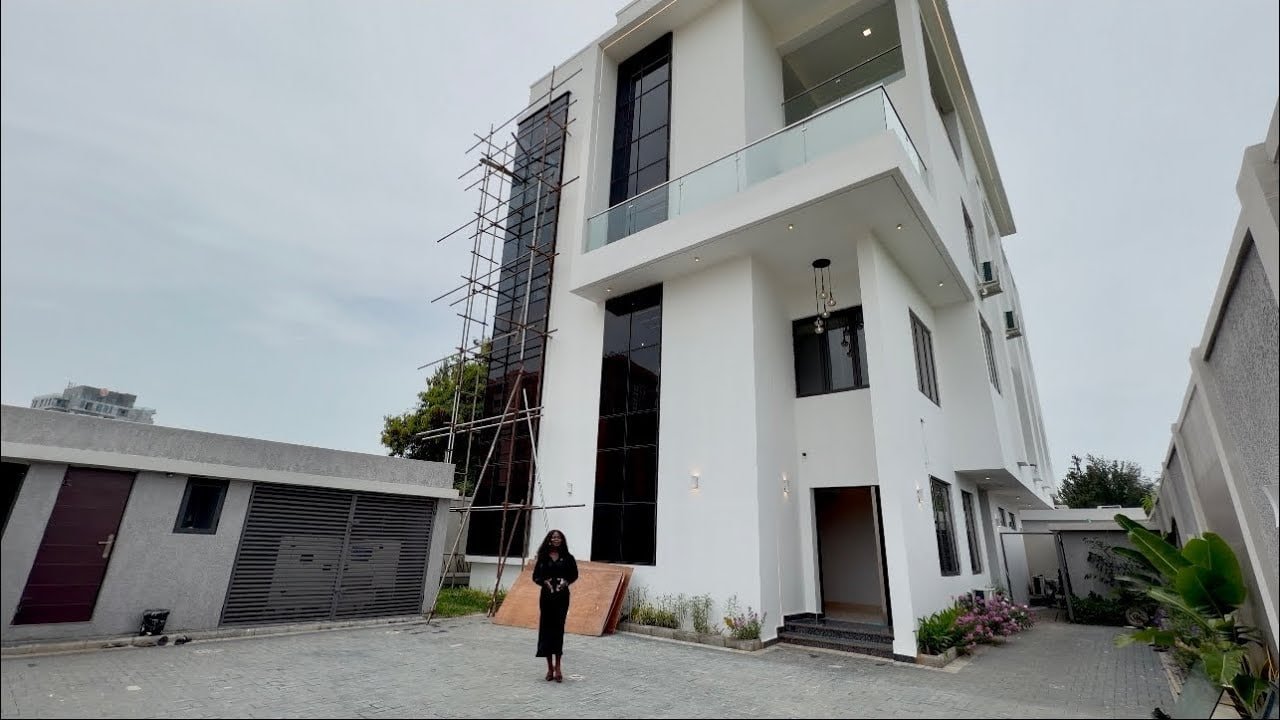
That shift in questioning is what separates an artist who builds generational wealth through property from one who builds a liability with a beautiful signboard.
Here is what surprised me most in the whole thing. When I spoke with one of the contacts who had visibility into the deal structure, he mentioned almost as an aside that Osupa had brought his own lawyer to the initial meetings. Not the developer’s lawyer. Not a shared lawyer. His own, retained independently, who had no prior relationship with the developer. In Lagos property transactions, especially ones involving people who are new to the asset class, this is still not common practice. It should be the most basic assumption and it is not.
The lesson here is not about Osupa specifically. He made decisions that reflect a level of financial sophistication that should be more common than it is, and the N2 billion headline matters less than the structure underneath it.
Nigerian artists have short windows of peak earning. The property market is full of people who understand that fact and build products specifically designed to extract money from people who have it now and need to do something with it quickly. The only reliable protection against that is slowing down at exactly the moment when everything feels urgent, and retaining someone whose loyalty is specifically to you before you sign anything.
That advice applies whether you are a musician, a civil servant, or anyone else who has worked hard to have something worth protecting.

Lukmon Isiaq is a Lagos-based property researcher and street-level writer who has spent years studying the Ajah corridor the way most people never bother: on foot, in compounds, and in conversation with landlords, tenants, caretakers, and estate agents who operate where the listings end and the real story begins.
He is not a property developer. He is not a real estate marketer. He is the person you call before you sign anything. The one who has personally walked flood-prone streets after October rain, argued with agents over undisclosed charges, and documented how the Lagos housing market actually works for ordinary Nigerians trying to make serious decisions with serious money.
His writing on Abraham Adesanya Estate Lekki Ajah covers the Ajah corridor, Ikota Villa, Ajao Estate, Ogudu GRA, and the wider Lekki property market with one consistent standard: the honest version, not the brochure version.
He understands the gap between what a listing promises and what a tenant discovers on their first rainy season.


