

The notice was folded twice and slipped under Adunola’s door on a Tuesday, while the generator two floors down was already running and the estate was barely awake. Her rent in Ajah was going from N900,000 to N1.1 million. The landlord’s agent called it an adjustment for market conditions. Adunola called me instead of calling her family, which told me she already knew calling her family would not solve it.
The argument landlords are making in 2026 is not complicated on its surface. The naira was trading at around N300 to the dollar when many of these properties changed hands, and it is now at approximately N1,400. A diaspora landlord spoke publicly last year about this: his property costs more in dollar terms now and so should his rental income. That is a coherent position if you accept one premise, and I will come back to the premise.
Rents across Lagos rose between 12% and 18% year-on-year in early 2026, according to rental tracking data cross-referenced with NBS housing figures. In Mushin, one tenant saw her annual rent jump from N800,000 to N1.5 million, which is an 87.5% increase in a single cycle. In prime Ajah and Lekki, a one-bedroom apartment now averages above N1.5 million per year. That figure is not a ceiling; it is where the market has settled for what used to be a modest entry point.
Here is the premise nobody is questioning. The landlord’s dollar argument assumes his property cost him dollars and that his ongoing expenses run in dollars. But many landlords using this argument purchased their properties in naira, years ago, at prices that had nothing to do with the dollar. The currency depreciation is real, but it is being used to convert a naira asset into dollar-denominated income, at the tenant’s expense.
When I asked about Adunola’s compound through the agent, I wanted to know what maintenance had been done on the property in the last three years. I got silence. The generator fuel cost is real, diesel has genuinely tripled, and those are legitimate expenses. But the roof above Adunola’s flat had not been fixed since 2022, and she spent two rainy seasons with a bucket in her living room while paying for a property that was quietly deteriorating under her.
The dollar argument only runs in one direction, which is what should make tenants uncomfortable. When the naira was more stable in previous years, no landlord was reducing rents to reflect an improved exchange rate. The dollar is cited when it benefits the landlord and set aside when it does not. Tenants earn naira, spend naira, and owe rent in naira, and nobody is adjusting their salaries to match the exchange rate.
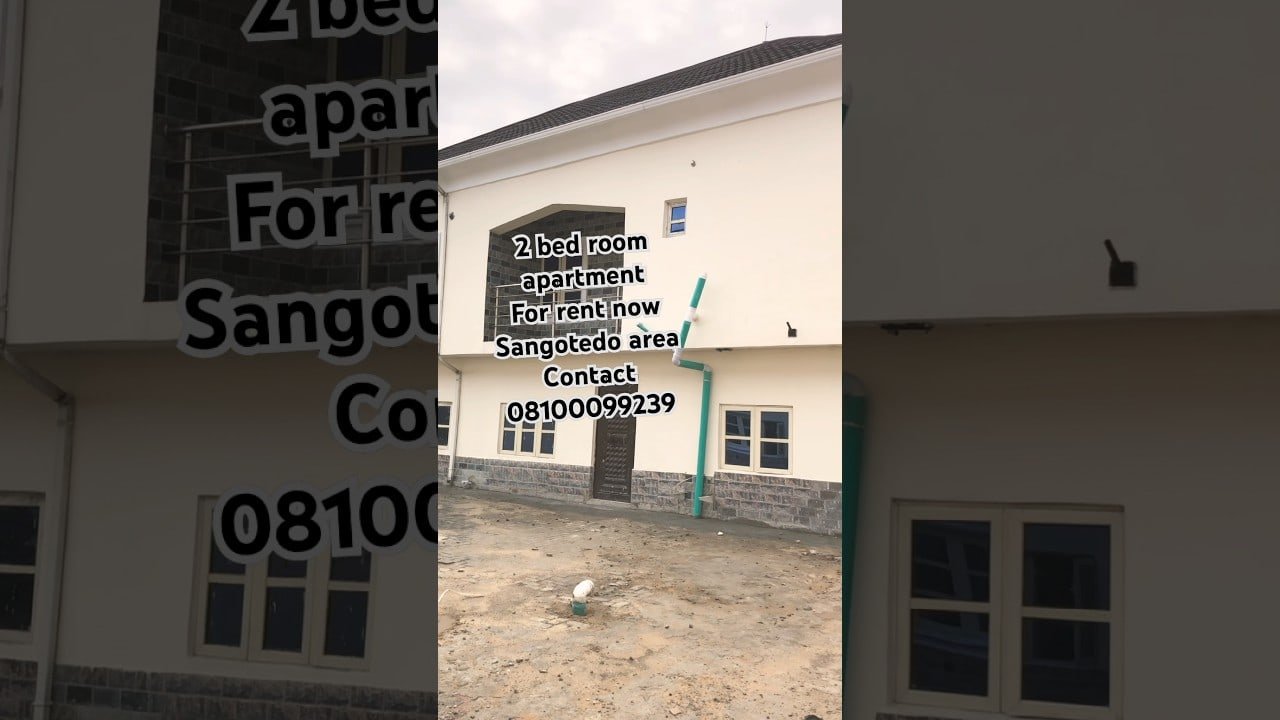
What is actually happening across the Lekki corridor is a slow displacement that does not make headlines. Low-income earners who rented at the edges of these estates three years ago have moved further out, toward Ibeju-Lekki and beyond. They are not upgrading; they are being priced away from their commutes, their markets, their children’s schools. Nobody is tracking this carefully, and so nobody has to answer for it.
The thing that revised my reading of this came from a landlord I expected to be defending the increases. He told me, without much drama, that he had not raised his tenants’ rent by more than 10% and that he had no plans to. His reason was simple: these people have been in the property for five years, they pay on time, and good tenants are harder to find than landlords admit. He is in a minority, but his logic is not complicated, and I mention him because he exists.
The Lagos rental market has no functioning legal framework that protects tenants from unreasonable increases. There is no rent control, no mandatory notice period that is actually enforced, and no body a tenant can meaningfully appeal to. The landlord sets the price, the agent collects commission from both sides, and the tenant signs or moves. That structure does not change when the dollar moves, when diesel gets expensive, or when anyone writes a report about it.
Adunola signed the new agreement.
The full story tenants are not being told is not about the dollar. It is about a market designed so that every risk sits with the person who can least afford to absorb it. The dollar is just the newest justification.

Lukmon Isiaq is a Lagos-based property researcher and street-level writer who has spent years studying the Ajah corridor the way most people never bother: on foot, in compounds, and in conversation with landlords, tenants, caretakers, and estate agents who operate where the listings end and the real story begins.
He is not a property developer. He is not a real estate marketer. He is the person you call before you sign anything. The one who has personally walked flood-prone streets after October rain, argued with agents over undisclosed charges, and documented how the Lagos housing market actually works for ordinary Nigerians trying to make serious decisions with serious money.
His writing on Abraham Adesanya Estate Lekki Ajah covers the Ajah corridor, Ikota Villa, Ajao Estate, Ogudu GRA, and the wider Lekki property market with one consistent standard: the honest version, not the brochure version.
He understands the gap between what a listing promises and what a tenant discovers on their first rainy season.
