

Chidi showed me the WhatsApp message on a Wednesday afternoon, standing outside the provision store at the corner of one of the inner streets of Abraham Adesanya Estate, the one where the road dips slightly and holds water for three days after any serious rain. The message was from a property agent. It said, in full capital letters, that Abraham Adesanya was the new Lekki Phase 1, that prices were about to jump, that this was the last chance for serious investors to enter before the market corrected upward. There was a property photo attached. Clean tiles. A balcony. The kind of afternoon light that only exists when a photographer has waited specifically for it.
Chidi has lived in this estate for six years. He looked at that photo and he looked at me and he said, quietly, that he did not recognise the balcony.
I want to talk about what is actually happening in Abraham Adesanya, because something genuinely is happening, and because the gap between what is happening and how it is being described by people who want to sell you something is wide enough to cost you serious money if you step into it without looking down.
The estate sits behind the roundabout on the Lekki-Epe Expressway, which means it benefits from the expressway’s logic without being priced yet at expressway-front rates. The roads inside narrow quickly once you leave the main entry points. Generators begin their morning conversation around six, sometimes earlier. The market up the road on a Saturday carries that particular compressed energy of a Lagos market that has outgrown its space, okada weaving between tables, the smell of fresh fish and exhaust mixing in a way that is unpleasant and familiar at the same time. This is not a criticism. This is the texture of a place where people actually live, as opposed to a place where people have purchased the idea of living.
What is drawing buyers here, genuinely, is value compression. Lekki Phase 1 has priced out a category of buyer who earns well in Lagos terms but cannot absorb what Phase 1 now demands. Chevron corridor and Lekki Phase 2 absorbed some of that pressure and are now doing the same thing. Abraham Adesanya is the next logical address along that corridor, and the infrastructure reality of the expressway, whatever one may say about LASG and its relationship with completion dates, has made this axis more connected than it was five years ago. These are real reasons. They are not manufactured. The interest is legitimate.
But here is where I will say something that agents marketing property in this area will not thank me for. A significant portion of what is currently being listed and sold in and around Abraham Adesanya is being priced against a future that has not arrived and may not arrive on the schedule the listing implies. I have spoken with three separate buyers in the past four months who paid at rates justified to them on the basis of a road project, a commercial development, or an amenity that was described to them as imminent. One of those things has since stalled. One of them, I am not entirely certain ever existed as described. The third is real but is running on a Lagos government timeline, which is its own category of uncertainty.
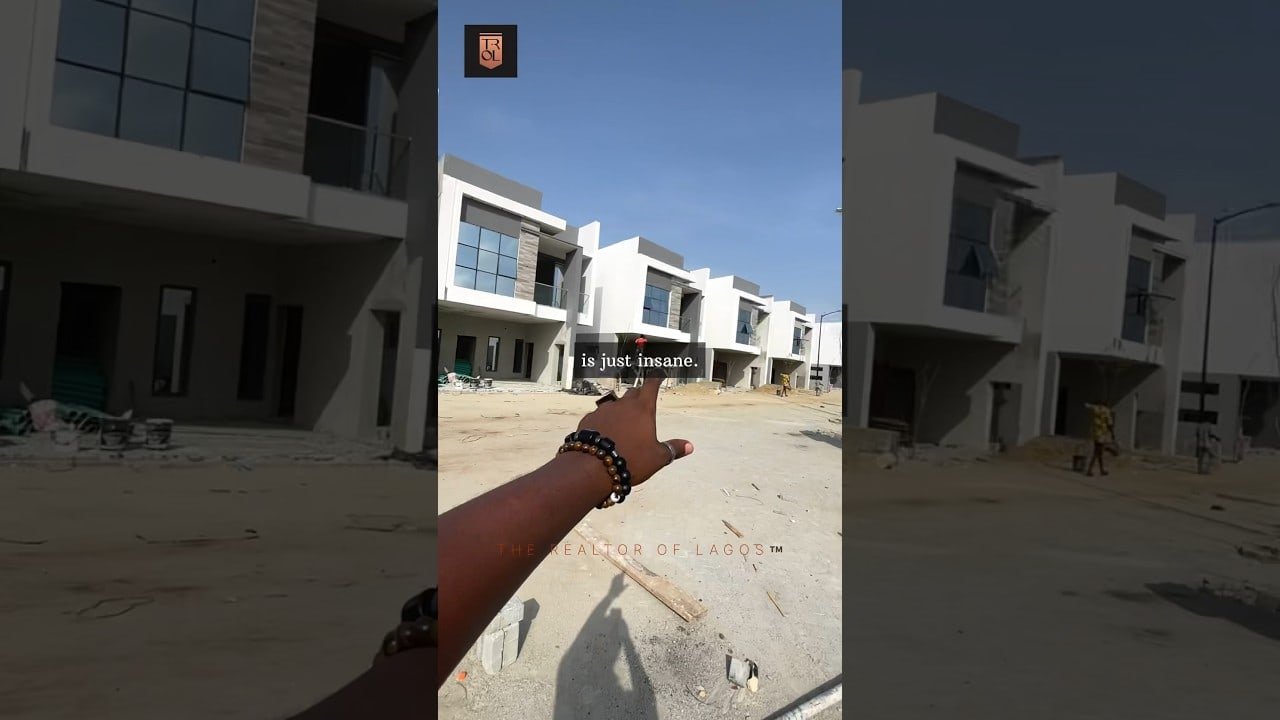
This is the part that changed my thinking on how this market is moving. I expected the pressure to be coming from genuine organic migration, families relocating from the Island, young professionals making a considered decision about where to put their money. Some of that is happening. What I did not fully anticipate was how quickly the speculative layer had arrived. People buying not to live, not even primarily to rent, but to hold and flip inside a narrative. And narratives in Lagos property have a way of becoming self-fulfilling until they suddenly do not, at which point the person holding the overpriced flat in a building with no functioning drainage is left to explain to themselves what they were thinking.
The flood question is the one I always ask first. I ask it because the listings never mention it and the first rainy season always answers it. Several compounds inside Abraham Adesanya have drainage that was not designed for the volume of development that has since surrounded them. An estate that was built at one density is now absorbing a different density, and the original drainage assumptions do not scale. This is not a secret. Any caretaker who has been on these streets for more than two years will tell you exactly which compounds collect water and how high it gets. Nobody volunteers this information in a sales conversation.
Abraham Adesanya is not the new Lekki Phase 1. Lekki Phase 1 took decades and a specific combination of commercial development, infrastructure, and institutional anchoring to become what it is. What Abraham Adesanya is, right now, is a genuinely viable residential corridor with improving fundamentals, real demand, and a growing number of people around it who are paid to describe it as more than that.
Before you buy into any estate on this corridor, visit it during or immediately after heavy rain. Not before. After. What you see then is the property’s honest face.

Lukmon Isiaq is a Lagos-based property researcher and street-level writer who has spent years studying the Ajah corridor the way most people never bother: on foot, in compounds, and in conversation with landlords, tenants, caretakers, and estate agents who operate where the listings end and the real story begins.
He is not a property developer. He is not a real estate marketer. He is the person you call before you sign anything. The one who has personally walked flood-prone streets after October rain, argued with agents over undisclosed charges, and documented how the Lagos housing market actually works for ordinary Nigerians trying to make serious decisions with serious money.
His writing on Abraham Adesanya Estate Lekki Ajah covers the Ajah corridor, Ikota Villa, Ajao Estate, Ogudu GRA, and the wider Lekki property market with one consistent standard: the honest version, not the brochure version.
He understands the gap between what a listing promises and what a tenant discovers on their first rainy season.
