




Biodun called me at twenty past eleven on a Tuesday night. I could hear the generator in the background, that low diesel groan that you stop noticing after your first month in Lagos until something forces you to notice it again. He was speaking quietly, the kind of quiet that is not about volume but about not wanting to be heard through a wall. He said: “Lukmon, they came back. Same boys. They took Alhaji’s Sienna from right in front of his own gate.”
I had been to Biodun’s street in Ajao Estate three times in the past year. Once for a story about a land dispute that had been running since 2011. Once because a widow named Mrs. Folashade had paid a year’s rent to a man who turned out not to own the property he was renting out. And once because I wanted to understand, properly, what people meant when they kept using the phrase “the boys.” Not area boys in the general Lagos sense. Something more specific. More organised. More settled into the fabric of the estate than anyone in an office somewhere wanted to admit publicly.
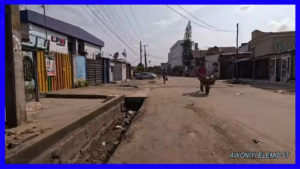
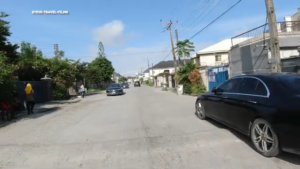
Ajao Estate sits off the Airport Road corridor, dense and layered in the way that old Lagos residential areas get when they have been absorbing people for decades without a corresponding expansion of roads or infrastructure. The streets narrow as you go deeper in. There are blocks of flats that have changed hands so many times the caretakers cannot tell you who the original owner was. There are compounds where three families share a single gate and a single deep well and a single fraying agreement about generator fuel contributions. It is the kind of place where a stranger can move in and disappear inside the density and nobody asks the right questions because everybody is already managing too many things at once.
What I know about the crime network operating there did not come from a report. It came from sitting in Biodun’s living room with the fan on medium because the current was low, listening to him and his neighbour, a retired postal worker named Mr. Adeyemi, go through what they knew carefully, the way people do when they are aware that knowing things can itself become a liability.
The network is not random. That was the thing that shifted how I saw the whole situation. I had gone in thinking territorial boys, opportunistic theft, the usual Lagos disorder. What I found was something that had structure. There were specific compounds being watched. Specific movement patterns being tracked. Residents had noticed that the incidents followed information — a new car, a visitor from abroad, a renovation that suggested a household had money coming in. Someone was feeding information. Someone who lived there, or worked there, or had access to the conversations that happen inside compound gates when people think they are among themselves.
I will say directly what a lot of people in authority connected to that area will not say: a portion of this problem has been sustained by the failure of the task force system to operate with any real accountability. The boys collect. Everyone in Ajao Estate knows who they are collecting from and on what basis. The residents pay something they are not calling extortion but which functions exactly like extortion, and in exchange they receive a version of peace that disappears the moment any individual resident tries to resist or report. One man, I will not use his name, reported an incident to the nearest police division and within four days found his generator stolen. The geometry of that sequence was not lost on him or on anyone watching.


What surprised me, genuinely surprised me, was a conversation with a young woman who runs a small food business near one of the estate’s internal roads. She said the worst part was not the fear. It was the adaptation. How the fear had become normal. How residents had started building their schedules around it, parking differently, leaving for work earlier to avoid certain hours, not hosting guests on weekends because the visibility of visitors attracted attention. She said: “We are not living. We are managing.” That sentence has stayed with me.
The landlords in the area are mostly quiet about this publicly. Some of them have reached private accommodations that protect their properties specifically. Which means the burden of exposure falls almost entirely on tenants, who are already in the most vulnerable position in any Lagos housing arrangement, who have already paid money they cannot recover, and who are told implicitly that if they cause trouble they will simply be replaced by someone else who will not.
If you are looking at a property in Ajao Estate right now, and the rent looks reasonable relative to comparable areas, ask yourself why it is reasonable. Then ask the tenants already living there, not the agent, not the landlord, the actual tenants, what their nights have been like for the past six months.
The price of peace in Lagos is often hidden inside the rent. Sometimes it is hidden because the landlord does not know. Sometimes it is hidden because they do.


Lukmon Isiaq is a Lagos-based property researcher and street-level writer who has spent years studying the Ajah corridor the way most people never bother: on foot, in compounds, and in conversation with landlords, tenants, caretakers, and estate agents who operate where the listings end and the real story begins.
He is not a property developer. He is not a real estate marketer. He is the person you call before you sign anything. The one who has personally walked flood-prone streets after October rain, argued with agents over undisclosed charges, and documented how the Lagos housing market actually works for ordinary Nigerians trying to make serious decisions with serious money.
His writing on Abraham Adesanya Estate Lekki Ajah covers the Ajah corridor, Ikota Villa, Ajao Estate, Ogudu GRA, and the wider Lekki property market with one consistent standard: the honest version, not the brochure version.
He understands the gap between what a listing promises and what a tenant discovers on their first rainy season.


