




Tunde called me on a Wednesday morning, and I could hear the generator behind his voice before he said a single word. That particular sound, the low diesel groan of a Mikano that has been running since midnight, has become the unofficial background music of Abraham Adesanya Estate, and I have learned to read the hour by it. He said his neighbour’s flat had been entered the previous night. Back door. The family was inside. His voice was not shaking. It was worse than that. It was flat.
That was the third one in seven days.
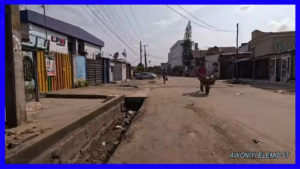
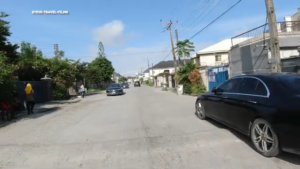
I drove to the estate the following afternoon, came in from the expressway side, past the roundabout where the okada men congregate and the smell of suya from the roadside grill hits you before you see the grill itself. The roads narrow once you are inside, the kind of narrowing that happens when infrastructure was never designed for the density of people who eventually arrived. I have walked this estate enough times to know which gates close properly and which ones look closed and are not. That afternoon, I was looking at them differently.
The residents had already started organising before I arrived. WhatsApp group. Printed notices. Someone had drafted an agenda for an emergency meeting that had not yet been scheduled because no one could agree on who was responsible for calling it. The estate association. The property managers. The security company, which had a contract and a guardhouse but apparently not enough personnel to cover all the entry points after ten at night. Nobody was sure whose problem this officially was, and in that confusion you could see the outline of a much older problem.
Here is what nobody wants to say plainly: security in Lagos estates is, in the majority of cases, a selling point, not a system. When a developer or an agent describes a property as being “within a secured estate,” they are describing an aspiration. They are describing a gate, a uniform, a company name on a contract. They are not describing a functioning security architecture that has been tested, reviewed, staffed adequately, and maintained over time. They are telling you what the estate looked like in the brochure.
What surprised me, and I say this as someone who thought he had stopped being surprised by this corridor, was the gap between what the security company’s contract promised and what was actually being delivered on the ground. I spoke to one of the guards on the afternoon I visited. A young man, quiet, clearly tired. He told me he was covering a shift that was supposed to have two people. It had been this way for weeks, he said, not because of any emergency, but because of a staffing issue the company had not resolved. The residents, as far as he knew, had not been told.
Three families had been robbed. A staffing memo had not been circulated. These two facts sat beside each other in the afternoon heat like they were perfectly normal.

The residents I spoke with were angry in the organised way that Lagos people get angry when they have decided that noise alone is not enough. They wanted the emergency meeting. They wanted a security audit. They wanted answers from the estate management about the surveillance cameras on the eastern perimeter that had not been functional for longer than anyone could say with precision. One woman told me she had raised the camera issue at a general meeting eight months ago. I asked her if anything had happened after that. She looked at me with the patience of someone who has long since stopped expecting the question to be answered.
What I kept thinking about, walking back to my car past the compound walls with their painted phone numbers for flats to let, was how many people had moved into this estate specifically because of the word “secured.” It is there in the listings. It is the first thing agents mention when they are justifying a rent that is slightly above what a comparable flat outside the gate would cost. The gate premium. The safety markup. People pay it. Families pay it. And then they are sitting inside their flat at night listening to something that should not be happening inside a secured estate.
The emergency meeting eventually held. I was not there, but I heard about it. Things were said. Promises were made. The security company sent a representative. The cameras are apparently being looked into.
Apparently.
If you are considering renting inside any estate in the Ajah corridor, ask to see the security company’s current staffing roster for night shifts before you sign anything. Not the contract. The roster. What is agreed on paper and what exists at two in the morning are, far too often, two completely different arrangements.


Lukmon Isiaq is a Lagos-based property researcher and street-level writer who has spent years studying the Ajah corridor the way most people never bother: on foot, in compounds, and in conversation with landlords, tenants, caretakers, and estate agents who operate where the listings end and the real story begins.
He is not a property developer. He is not a real estate marketer. He is the person you call before you sign anything. The one who has personally walked flood-prone streets after October rain, argued with agents over undisclosed charges, and documented how the Lagos housing market actually works for ordinary Nigerians trying to make serious decisions with serious money.
His writing on Abraham Adesanya Estate Lekki Ajah covers the Ajah corridor, Ikota Villa, Ajao Estate, Ogudu GRA, and the wider Lekki property market with one consistent standard: the honest version, not the brochure version.
He understands the gap between what a listing promises and what a tenant discovers on their first rainy season.


