




The WhatsApp message came with four attachments. A site plan, a payment schedule, two photographs of red laterite soil with a surveyor’s beacon planted at an angle that suggested someone had kicked it moments before the picture was taken. The sender was a man in Manchester whose name I will not use, but I will tell you that he had been sending money home for eleven years, that his mother lives near Ijegun, and that he had never physically been to the plot of land he was about to pay a third instalment on. He was not asking me to investigate the land. He was asking me to help him write a letter to the vendor because the vendor had stopped picking up calls two weeks after the second payment cleared.
I want to start there because that is where the story of diaspora land-buying in Lagos actually lives. Not in the glossy webinars that Lagos developers have been running since 2023, not in the Zoom calls where a man in a well-ironed agbada gestures toward architectural renders and talks about securing your legacy before the corridor fills up. The story lives in the WhatsApp message sent at 11pm Manchester time to someone like me, because the vendor’s line has been ringing out for fourteen days.
What is driving the current rush is not complicated, and I will give the honest version without the promotional framing that has been layered on top of it. The naira has been in a sustained crisis. Nigerians abroad are watching the exchange rate and doing arithmetic that is not difficult: land in Lekki and the Ajah corridor, priced in naira, is effectively cheaper in dollar and pound terms than it has been in over a decade. That is real. The arbitrage is real. I am not disputing the calculation. What I am disputing is the ecosystem that has been built around that calculation to extract maximum money from people who are making decisions from three time zones away and cannot see what they are buying.
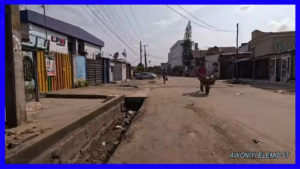
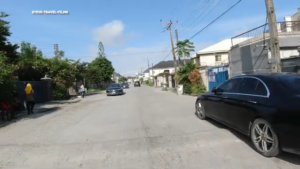
The Lekki-Epe corridor, from around Ajah roundabout stretching toward Epe and into the newer layouts off the expressway, has become the primary hunting ground for this market, and the reason is simple: it is far enough from the developed axis that land is still relatively affordable, close enough to reference points people have heard of, and sufficiently underdeveloped that a vendor can describe almost anything as the next area to explode. I have walked parts of this corridor where plots are being sold to diaspora buyers at prices that existing local buyers, people who live here, people who know what the access road looks like in July, would not pay. The premium for distance is real and it is being charged deliberately.
The moment that genuinely unsettled me was not the Manchester situation, though that ended badly enough. It was a conversation I had with a land vendor, a young man operating out of a shared office near Sangotedo, who told me, without any particular shame, that he preferred diaspora clients because they cannot come and check. He said it the way you discuss a professional advantage. He was twenty-six years old and he had closed four transactions that month. I sat with that sentence for a long time afterward.

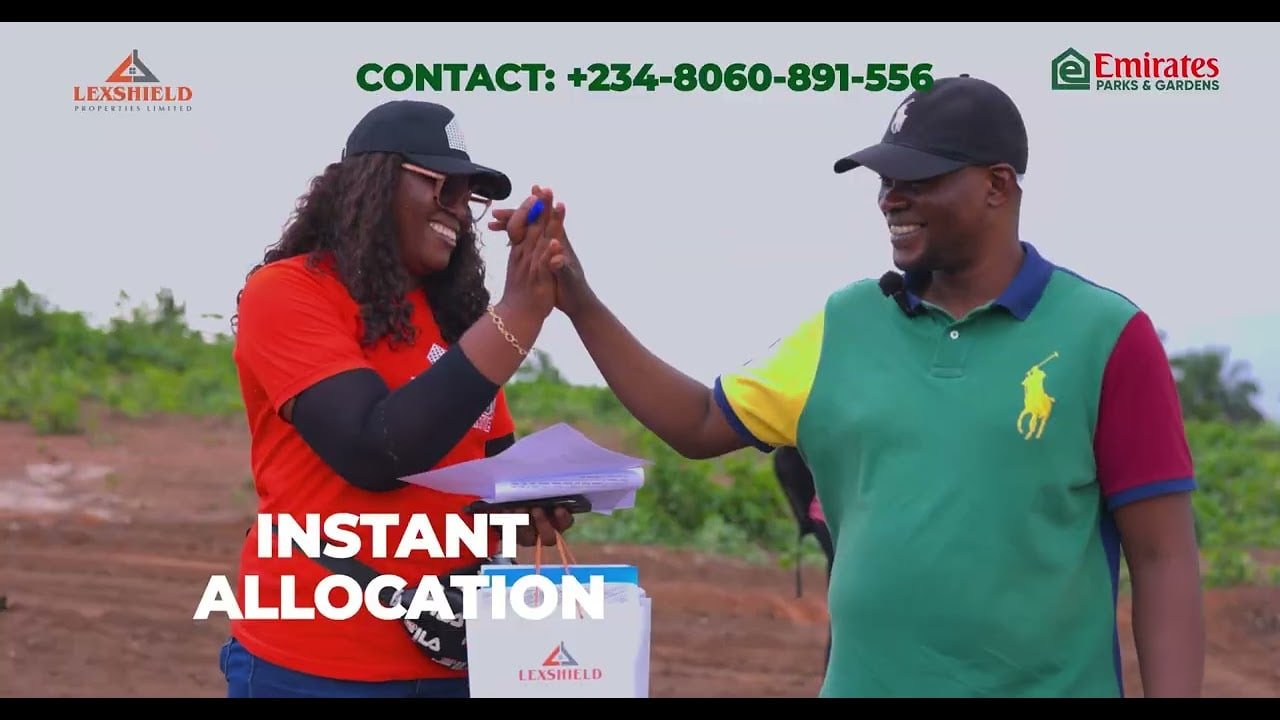
Here is what the webinars do not discuss. Lagos land title is not a simple matter even when the seller is honest. The difference between a gazette, a deed of assignment, a certificate of occupancy, and a family land receipt is not a technical detail you can leave to someone else to sort out. Each of those documents carries different legal weight, different risks, and different implications for what you can actually do with the land later, whether you intend to build, resell, or hold. Developers targeting diaspora buyers have become very skilled at presenting the documentation conversation as something they will handle on your behalf. That framing should make you careful. The person handling your documentation on your behalf, from Lagos, while you are in Wolverhampton, is making decisions you cannot monitor about a transaction you cannot physically supervise.
I understand why people are buying. The naira position is real, the desire to have something tangible at home is real, and the anxiety that by the time you return the affordable land will be gone is also real. That anxiety is being manufactured and sold alongside the plots, and it is working exceptionally well.
If you are in the diaspora and you are looking at land anywhere along this corridor, including around Abraham Adesanya and the Ajah axis, find someone who is physically present in Lagos, not affiliated with the vendor, who can walk the land, read the documents, and tell you what the road situation looks like when it rains.
Pay that person for their time. Whatever you pay them will be smaller than what you lose if you do not.


Lukmon Isiaq is a Lagos-based property researcher and street-level writer who has spent years studying the Ajah corridor the way most people never bother: on foot, in compounds, and in conversation with landlords, tenants, caretakers, and estate agents who operate where the listings end and the real story begins.
He is not a property developer. He is not a real estate marketer. He is the person you call before you sign anything. The one who has personally walked flood-prone streets after October rain, argued with agents over undisclosed charges, and documented how the Lagos housing market actually works for ordinary Nigerians trying to make serious decisions with serious money.
His writing on Abraham Adesanya Estate Lekki Ajah covers the Ajah corridor, Ikota Villa, Ajao Estate, Ogudu GRA, and the wider Lekki property market with one consistent standard: the honest version, not the brochure version.
He understands the gap between what a listing promises and what a tenant discovers on their first rainy season.


