




We Paid N85 Million to Watch Our Living Room Flood Every October
The first time I saw the watermark on Chukwuemeka’s wall, I thought it was a design choice. A pale brown tide line, maybe two feet from the floor, running the entire length of the sitting room like someone had taken a ruler and drawn it there deliberately. Then I looked closer. Peeling plaster. Swollen skirting board. The faint smell underneath the air freshener, the one you only notice when the AC is off and the windows are closed, that particular Lagos smell of damp concrete that has been wet too many times and never properly dried.
He paid forty-two million naira for that flat. Ground floor, Block C, one of the newer developments just behind Abraham Adesanya roundabout, the kind of building with a gate that looks serious and a security man who wears a uniform on weekdays. His neighbour, a woman who works in banking and does not want her name in anything, paid forty-three million for the unit next to his. Same watermark. Same smell. Same agent, who is no longer picking calls from either of them.
Eighty-five million naira, combined, to watch the sitting room flood every October.
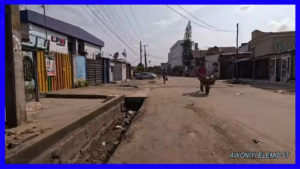
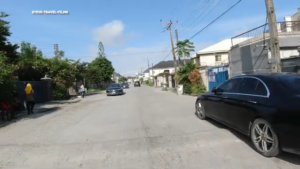
I have walked this corridor long enough to know that flooding in Ajah is not news. It is not even gossip. It is just weather. Anyone who has driven along the Lekki-Epe Expressway after heavy rain knows that the road becomes something between a river and a parking lot depending on which way you are going and how much patience you have that day. The drainage in this axis was designed for a population that no longer exists here. What exists now is three times more people, five times more buildings, and the same colonial-era channels quietly choking under the weight of both.
What made me sit down and actually think was not the flooding itself. It was the conversation I had with the caretaker of that compound, a quiet man from Edo State who has been managing the property for two years. He told me, matter-of-factly, standing in the car park while the generator hummed behind us and the evening heat pressed down on everything, that the ground floor had flooded every rainy season since the building was completed. Every season. He said the developer knew. He said it was in how the land was graded. He said nobody told the buyers.
I want you to sit with that for a moment.

Not nobody warned them, as if it was a risk that slipped through. Nobody told them, as a decision, because telling them would have slowed down the sale.
This is the Lagos property market operating exactly as designed. Not malfunctioning. Designed. The agent’s commission is tied to closing, not to the buyer’s satisfaction twelve months later. The developer’s interest ends at handover. The lawyer reviewing the agreement is often the developer’s lawyer in a different shirt. And the buyer, especially the buyer who is returning from abroad, or who is from outside Lagos, or who simply trusts that a gated estate with a generator and a security uniform means the fundamentals are sound, that buyer is walking into a room where everyone else has already agreed on something they have not told him.
Chukwuemeka is not a naive man. He is an engineer. He asked questions before he bought. He was shown the building during the dry season, which is when every property in this axis looks its best, when the roads are dusty but passable and nothing tells you what October is going to do to the ground. He was not shown the drainage. He was not shown the land-use history of that plot. He was shown the kitchen tiles and the view from the balcony and a payment plan with a deadline attached to create urgency.
The woman next door asked to visit the site a second time, in the evening, and was told that was not possible due to security. She accepted this. She should not have accepted this, but most of us do not know what we are allowed to insist on until after it costs us something.
What I know now, after too many conversations in sitting rooms with watermarks on the walls, is that ground floor units in this corridor deserve a level of scrutiny that most buyers do not apply to entire buildings. The land behind Abraham Adesanya has a drainage history. The rainy season between June and October is not an ambush, it is a schedule. A building that cannot handle that schedule is not an investment. It is an obligation.
Ask to see the property in October. If the agent says that is not convenient, write that down and think carefully about what it means.


Lukmon Isiaq is a Lagos-based property researcher and street-level writer who has spent years studying the Ajah corridor the way most people never bother: on foot, in compounds, and in conversation with landlords, tenants, caretakers, and estate agents who operate where the listings end and the real story begins.
He is not a property developer. He is not a real estate marketer. He is the person you call before you sign anything. The one who has personally walked flood-prone streets after October rain, argued with agents over undisclosed charges, and documented how the Lagos housing market actually works for ordinary Nigerians trying to make serious decisions with serious money.
His writing on Abraham Adesanya Estate Lekki Ajah covers the Ajah corridor, Ikota Villa, Ajao Estate, Ogudu GRA, and the wider Lekki property market with one consistent standard: the honest version, not the brochure version.
He understands the gap between what a listing promises and what a tenant discovers on their first rainy season.


