




The Ikota Disaster Nobody Warned You About
The first time I saw Bisi’s living room, there was a waterline on the wall. Not a small mark. A full horizontal stripe, dark and deliberate, running about two feet above the floor tiles like someone had drawn it with a ruler. She had moved in the previous October. By November, her television was gone, her children’s mattresses were ruined, and the agent who collected her two years’ rent upfront had stopped answering the phone.
She was sitting on a plastic stool when she told me this. Not crying. That part had passed. Just explaining, in the flat voice of someone who has already processed the anger and arrived somewhere worse, which is acceptance. She said the landlord told her the flooding was “unusual.” She said the neighbours told her it happened every year.
That is Ikota for you.
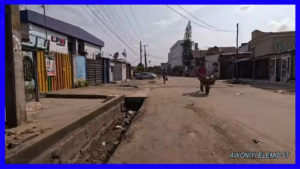
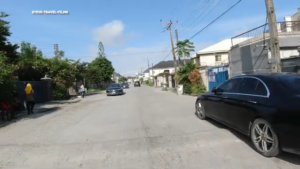
I want to be careful here, because people conflate the whole corridor into one thing, and it is not one thing. There is the Ikota that appears on property listings, the one with the optimistic photographs and the descriptions that say “serene environment, good road network, close to VGC and Lekki Phase 1.” And then there is the Ikota that exists between July and September, when the rain comes and the drains, which were never adequate, which were never really designed for the density of development that has been crammed into that corridor over the last fifteen years, simply give up.
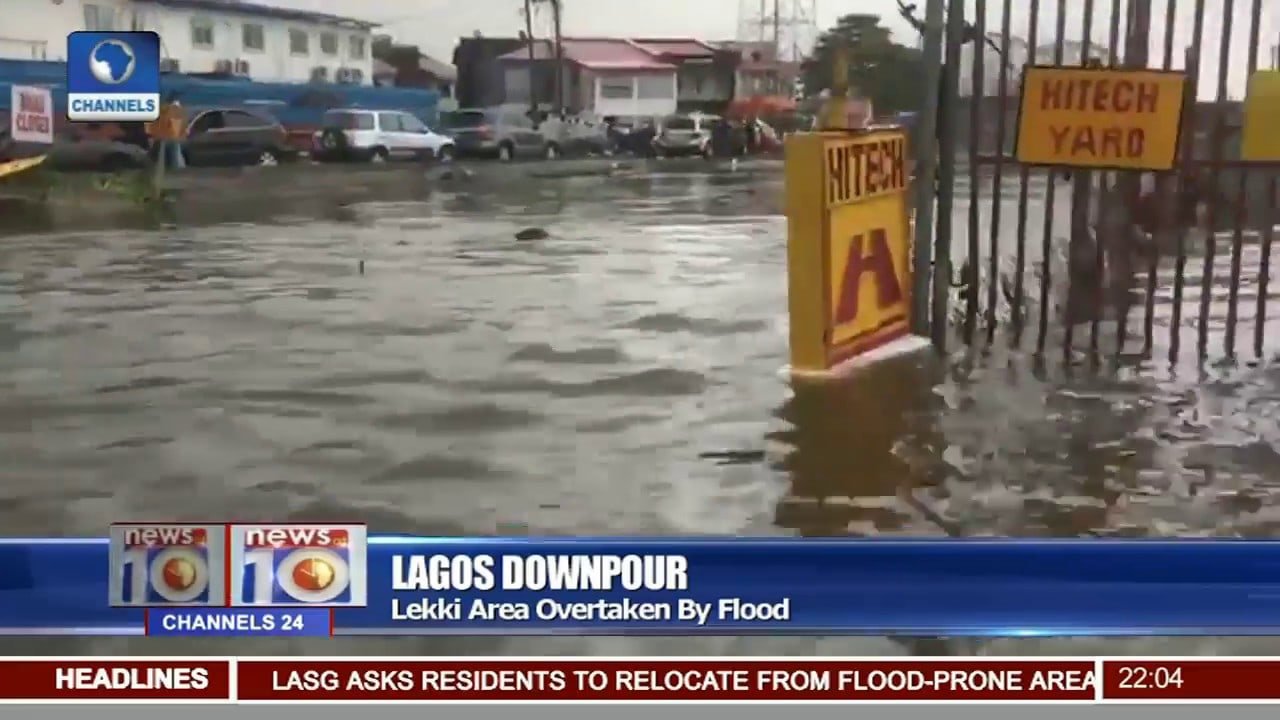
I have walked those streets enough times to know where the water pools first. There is a stretch behind the Ikota Shopping Complex where the road dips in a way that looks minor in the dry season, the kind of thing you would not notice if you went to inspect a flat in February or March. But once the rains start, that dip becomes a lake. A proper one. The kind that swallows car doors. I watched a commercial bus get stranded there in 2022 and the conductor was standing on the seat collecting fares through the window. People were laughing. It was funny until you remembered that somewhere in one of those blocks nearby, someone had signed a lease and paid two years in advance for an apartment that was now unreachable by anything except a very optimistic knee.
The flooding problem in this corridor is not a secret. That is the thing that gets me every time. It is documented. It has been reported. Local government knows. Developers know. The agents absolutely know. But the information does not travel to the people who need it most, which is the young professional relocating from Ibadan, the family moving out of Surulere looking for more space, the person who saw the listing on a Facebook group and thought they had finally found something in their budget. Nobody sits them down and says: find out the flood history before you find out the rent.

I spoke to a caretaker in one of the estates off Ikota Link Road last year, a quiet man who had managed that property for about six years. He told me, without any particular drama, that three out of the eight ground-floor flats had experienced flooding serious enough to damage property at least once in the past four years. I asked him if he told prospective tenants. He looked at me like I had asked something genuinely strange. He said that was not his job. His job was to collect the caution fee and hand over the key.
And this is where I will say the thing that the developers and the big agencies do not want said plainly: the Lagos rental market, especially in the Ajah and Lekki corridor, has built itself on information asymmetry. The landlord knows. The agent knows. The caretaker knows. The tenant is the last person to know, and by the time they know, they have already paid. Two years upfront, caution fee, agency fee, and agreement fee. They are locked in. They have no leverage and nowhere to go.
Bisi eventually got a reduction on her renewal. Not a refund. A reduction. The landlord agreed to take off three months from her next two years because, he said, he was a reasonable man. She showed me the new agreement. There was nothing in it about flooding, nothing about drainage responsibility, nothing about what happened if it occurred again. Just the rent figure, the duration, and two signatures.
She renewed. I understood why. Moving in Lagos is expensive, exhausting, and humiliating in ways that are hard to explain to people who have not done it. Sometimes the devil you know is the devil whose waterline you have already measured.
Before you pay anything for a property in the Ikota corridor, or anywhere along that low-lying stretch between the expressway and the lagoon, go there in August. Not April. Not December. August, when the rain has been falling for weeks. What you see then is what you are actually renting.


Lukmon Isiaq is a Lagos-based property researcher and street-level writer who has spent years studying the Ajah corridor the way most people never bother: on foot, in compounds, and in conversation with landlords, tenants, caretakers, and estate agents who operate where the listings end and the real story begins.
He is not a property developer. He is not a real estate marketer. He is the person you call before you sign anything. The one who has personally walked flood-prone streets after October rain, argued with agents over undisclosed charges, and documented how the Lagos housing market actually works for ordinary Nigerians trying to make serious decisions with serious money.
His writing on Abraham Adesanya Estate Lekki Ajah covers the Ajah corridor, Ikota Villa, Ajao Estate, Ogudu GRA, and the wider Lekki property market with one consistent standard: the honest version, not the brochure version.
He understands the gap between what a listing promises and what a tenant discovers on their first rainy season.


