




The woman who answered the door had lived in that flat since 1982. She was one of the original allottees, she told me, pointing at a framed certificate on the wall from the Lagos State Development and Property Corporation, the LSDPC, signed by an official whose name I recognized from Lagos housing history. She had paid for this flat on a civil service salary, in installments, and the installments had been completed by 1986. She showed me the receipts. They were wrapped in a plastic bag, and the bag was wrapped in another bag, the way you preserve something in Lagos when you understand that the institutions around you may not survive as long as the document needs to.
She was seventy-one years old. She was still living in the same flat. The tap in her kitchen had not produced water reliably since 2004.
Abesan Estate sits in Ipaja, in the Alimosho corridor that most of the people writing about Lagos property from the island side of town treat as background noise. It was built under Governor Lateef Jakande between 1979 and 1983, part of the most ambitious public housing programme Lagos has ever seen. Jakande built estates across the state, Amuwo-Odofin, Dolphin in Ikoyi, Isale Oja, Surulere, thousands of units for civil servants and working families who could not afford the private market. The architecture was not beautiful. It was never meant to be beautiful. It was meant to be functional, affordable, and permanent. For about a decade, it was all three.
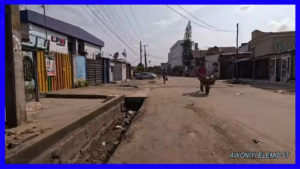
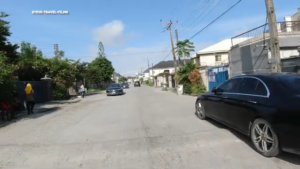
What I did not expect, when I walked into Abesan for the first time with proper attention rather than passing through it, was how clearly you can still see what was intended. The road layout is rational in a way that tells you someone planned it with a drawing board rather than a machete and a prayer. The original drainage channels are still there, or the bones of them are, though most of them have been blocked, modified, or converted to other uses by forty years of improvisation. There is a water tower that looks like it was built to last a hundred years. It may well last that long. Whether it produces water is a separate question.
The community has not abandoned the estate. That is the thing that surprised me most, and I say that as someone who has documented enough Lagos estates to have developed a certain cynicism about what happens when the government stops paying attention. The residents of Abesan have not left. They have filled every available space, built extensions where extensions should not exist, opened businesses in corridors that were designed for walking, and created a density of human activity that Jakande’s planners did not account for and that the infrastructure was not built to support. The estate is not dying. It is overcrowded in the way a pot is overcrowded, still producing heat, still cooking something, but nothing is going to turn out quite the way the recipe said.
The broken promises are specific, not general, and I want to be specific because vagueness about government failure in Lagos is its own kind of lie. The water supply to Abesan was supposed to be maintained by the LSDPC. It has not been adequately maintained. The roads inside the estate were government roads and they have been allowed to deteriorate to the point where the difference between the road surface and the unpaved ground beside it is a question of degree, not kind. The health centre that Jakande built still has a sign. Whether it has drugs or consistent staffing on any given week depends on factors I was not able to determine to my satisfaction after speaking with three residents who gave me three different answers.

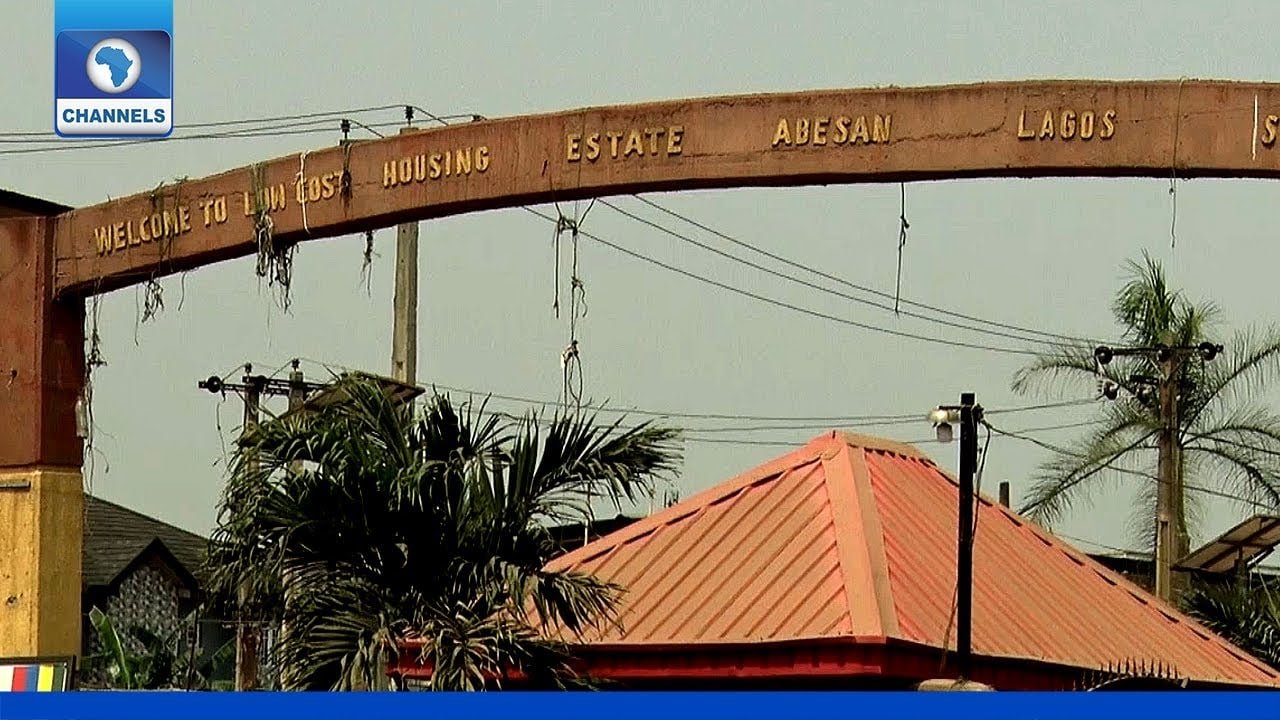
Here is the opinion that the people currently selling Lagos State government housing schemes will not enjoy. Every administration since Jakande has found a reason to announce new mass housing for ordinary Lagosians. The announcements come with photographs and ground-breaking ceremonies and officials in hard hats standing next to scale models. What comes after the announcement is silence, or partial completion, or units that somehow end up allocated to people who do not match the advertised beneficiary profile, or estates that are handed over with no maintenance framework and no funded agency to run one. Abesan is not an exception to how Lagos manages public housing. Abesan is the pattern, played out long enough for everyone to see the ending.
The woman with the receipts in the plastic bag is not bitter, which is the detail that stayed with me longest after I left. She has made peace with the gap between what the certificate promised and what the flat delivers. She has lived her life in it. Her children grew up there. She knows the names of all her neighbours and some of their children’s children. The community is real even where the infrastructure is fiction.
If Lagos State calls you to apply for any new public housing scheme, go and look at Abesan first. Look at it with your eyes open. Then decide how much faith you are placing in what the brochure says, and make sure that faith is not doing the work that a lawyer and a maintenance clause should be doing instead.
The receipt does not maintain the tap. Find out who does, and get it in writing.


Lukmon Isiaq is a Lagos-based property researcher and street-level writer who has spent years studying the Ajah corridor the way most people never bother: on foot, in compounds, and in conversation with landlords, tenants, caretakers, and estate agents who operate where the listings end and the real story begins.
He is not a property developer. He is not a real estate marketer. He is the person you call before you sign anything. The one who has personally walked flood-prone streets after October rain, argued with agents over undisclosed charges, and documented how the Lagos housing market actually works for ordinary Nigerians trying to make serious decisions with serious money.
His writing on Abraham Adesanya Estate Lekki Ajah covers the Ajah corridor, Ikota Villa, Ajao Estate, Ogudu GRA, and the wider Lekki property market with one consistent standard: the honest version, not the brochure version.
He understands the gap between what a listing promises and what a tenant discovers on their first rainy season.


