




The petition was handwritten. I saw it on the desk of someone I know at the Lagos State Real Estate Regulatory Authority office, a single page with names and amounts and dates, the kind of document that takes two hours to write and represents six months of a person’s salary gone. The agent had collected the money, handed over keys that did not work, and relocated his phone number to somewhere outside the reach of justice. That file was one of five hundred and five.
LASRERA announced recently that it received 505 petitions between 2025 and 2026. It resolved 39 of them. It recovered N270,020,500 from fraudulent property operators. The Commissioner for Housing said this at a press briefing in Alausa as though it were a success story. I want to sit with that for a moment.
Thirty-nine resolutions out of five hundred and five petitions is a 7.7 percent resolution rate. That means that if you were cheated by a Lagos estate agent and bothered to file a formal petition with the regulatory body, your statistical odds of getting anything back were roughly the same as a long shot at the Lagos racecourse. I am not dismissing the N270 million. That money matters to the people who got it back. I am saying that the 466 petitions still sitting somewhere unresolved represent people who are still waiting.
Related reading: Why First-Time Homebuyers in Lagos Are Losing Millions to Ghost Developers on Instagram.
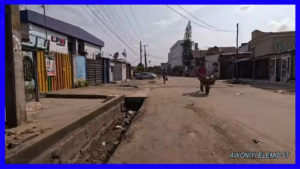
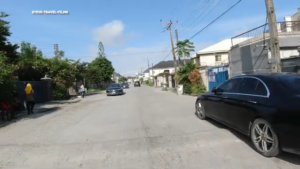
Here is what actually happens on the ground in the Ajah corridor. An agent shows you a flat. The flat is real. The price is within range. He tells you the agency fee is 15 percent of annual rent, or sometimes 20, packaged as "standard practice." You are not from Lagos, or you are new to the process, and you do not know that the law says 10 percent. You pay. He pockets the difference and calls it service. Nobody files a petition because most people do not know LASRERA exists.
That is the gap that the ministerial press briefing did not address. The enforcement problem is not only about agents who disappear after collection. It is also about agents who stay, who pick up their phones, who show up to sign the agreement, and who systematically overcharge in broad daylight because the tenant population is not informed enough to push back. Five hundred petitions represent the cases where something went badly enough wrong that someone decided to formally complain. The quiet overcharging never gets counted.

I spoke with a woman last October who had rented a one-bedroom flat near the Abraham Adesanya estate axis. She paid 20 percent agency, 10 percent caution, one year rent upfront, and an agreement fee. Before she moved in, she had paid out roughly 1.4 times her annual rent. She did not know you could refuse the caution fee structure. She did not know the agreement fee had no legal basis. She found out six months later from a neighbour who had paid significantly less for the same category of flat. By then, the agent was unreachable.
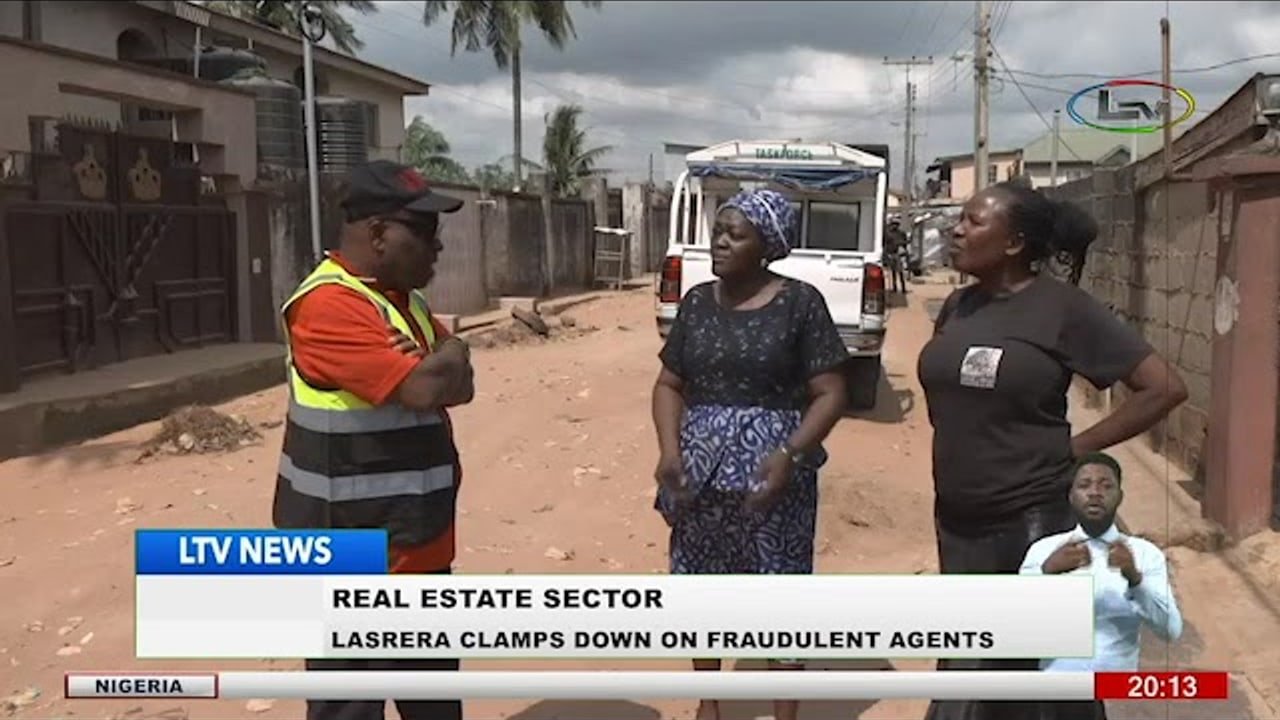
The fines LASRERA is now proposing, up to N1 million, prison terms of up to two years, are the right direction. But fines only land when there is prosecution, and prosecution requires petitions, and petitions require people who know their rights well enough to identify when those rights have been violated. Right now, the average tenant entering the Lagos rental market does not have that knowledge. The agent does. That asymmetry is where most of the money is being lost.
The Abraham Adesanya Housing Estate was cited in the briefing among recently completed government estates. That is good news for the area in terms of supply. Supply matters. But the regulatory environment around how those units get rented, sublet, and resold will determine whether the supply actually helps ordinary tenants or simply creates a new inventory for the same overcharging agents to work through.
LASRERA’s outreach across local government areas is the part I want to see expanded fastest. Not the enforcement announcements. Not the press briefings. The education. The moment when a tenant in Ajah knows, before she signs anything, that 10 percent is the legal ceiling, that caution deposits are negotiable, that she has somewhere to go if the agent disappears with her money.
The N270 million recovered is real. The 466 unresolved petitions are also real. The honest version of this story holds both at the same time.
If you are renting anywhere in Lagos right now, find out what LASRERA says the legal fee structure is before you pay a single kobo to any agent. The agent will not tell you. That is the point.


Lukmon Isiaq is a Lagos-based property researcher and street-level writer who has spent years studying the Ajah corridor the way most people never bother: on foot, in compounds, and in conversation with landlords, tenants, caretakers, and estate agents who operate where the listings end and the real story begins.
He is not a property developer. He is not a real estate marketer. He is the person you call before you sign anything. The one who has personally walked flood-prone streets after October rain, argued with agents over undisclosed charges, and documented how the Lagos housing market actually works for ordinary Nigerians trying to make serious decisions with serious money.
His writing on Abraham Adesanya Estate Lekki Ajah covers the Ajah corridor, Ikota Villa, Ajao Estate, Ogudu GRA, and the wider Lekki property market with one consistent standard: the honest version, not the brochure version.
He understands the gap between what a listing promises and what a tenant discovers on their first rainy season.


