




The press briefing happened on a Tuesday. Commissioner Moruf Akinderu-Fatai stood at a podium and announced that Lagos State would deliver more than 14,000 housing units before the end of 2026. I read the statement twice, the way you read something when the number does not match anything you have seen on the ground.
Fourteen thousand units. In a state with a housing deficit of over 3.3 million. That is not a solution. That is a press release.
I want to be fair to what the government is actually doing, because some of it is real. The Abraham Adesanya Housing Estate Joint Venture Scheme was specifically named among recently completed projects under the current administration. The 420-unit Akinsanya Sunny Ajose Estate Phase I is done. Five more projects are expected to complete this year in Egan-Igando, Sangotedo, Ibeshe, Itamarun in Epe, and Ipaja. These are physical buildings that exist or are close to existing, and that matters.
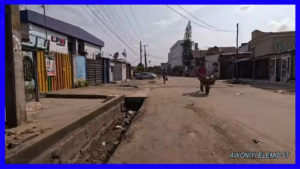
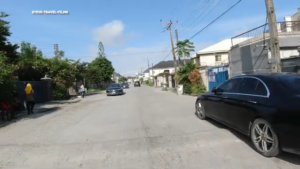
What does not get said at the podium is the gap between completion and occupancy. I have walked into completed estates in this corridor and found units without running water, electrical fittings missing from walls, and drainage that was never connected to anything. Completion in Lagos government housing language means the structure is standing. It does not always mean someone can move in immediately without spending additional money to make it liveable.
The joint venture model the government is promoting deserves more scrutiny than it is getting. Under this structure, the state provides land and the private developer provides capital and construction. The state takes a portion of units and the developer sells the rest at market rate. The affordability question depends entirely on what the government does with its portion, specifically whether those units go to residents who actually need them or get absorbed into a distribution process that rewards connection over need.
I spoke with a woman in the Abraham Adesanya Estate area who had applied for a government housing scheme three years ago. She filled the forms, paid the administrative fees, and was told to wait. She is still waiting. She now rents a two-bedroom flat and pays two years upfront because that is what landlords in this corridor demand. The government’s announcement did not reach her in any meaningful way.

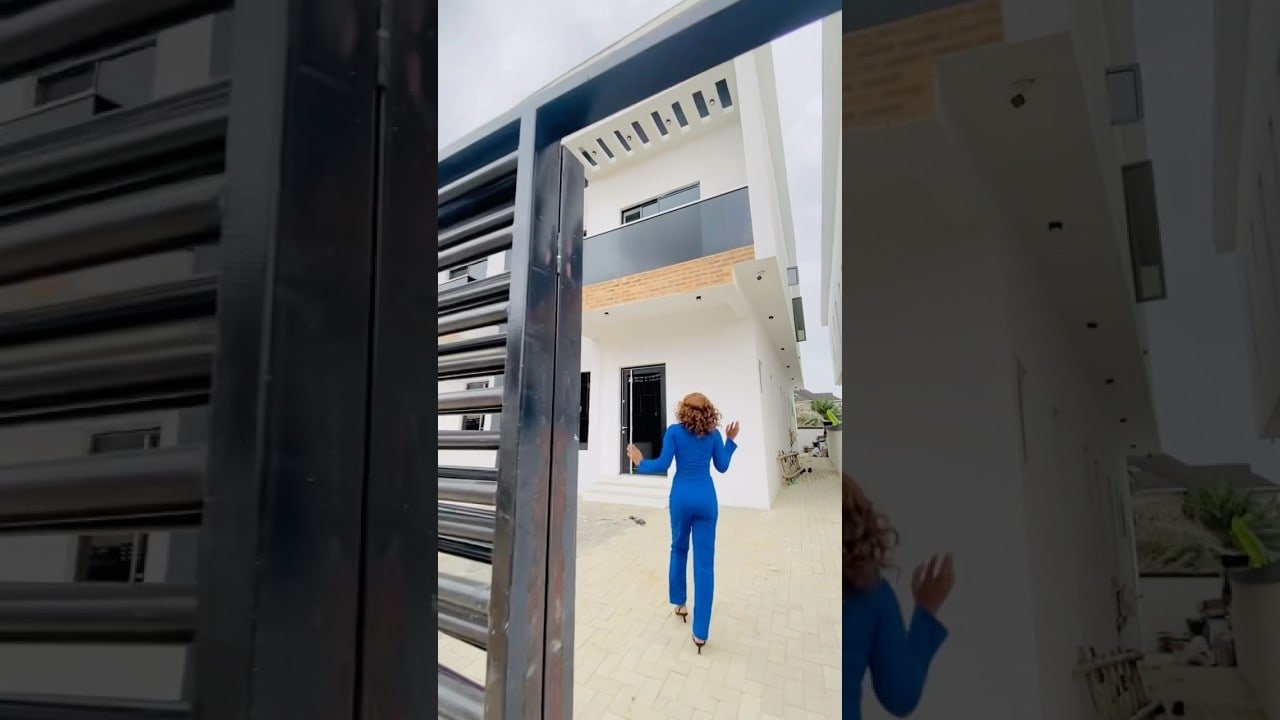
The 3.3 million unit deficit is not a number Lagos can build its way out of in a single administration. That deficit represents decades of population growth outpacing formal housing construction, of infrastructure investment going to roads and bridges while drainage and water supply were left to developers who had no incentive to install them properly. Delivering 14,000 units is approximately 0.4 percent of the stated deficit. It is not nothing, but framing it as a housing solution rather than a housing gesture is dishonest.
What the announcement does tell Ajah residents is something more practical. New government-linked supply entering Sangotedo specifically will affect the rental market in that sub-corridor over the next eighteen months. Sangotedo is already competing with Abraham Adesanya and Ajah for tenants in the mid-range bracket. More supply at any price point in a neighbouring area creates pressure on landlords who have been raising rents annually because they could. That pressure will be modest, but it will be real.
The Epe projects are a different conversation. Itamarun is far enough from the Lagos Island axis that it attracts buyers and renters who have specifically chosen distance over proximity. Those units will not compete with Abraham Adesanya. They serve a different population entirely, and conflating them into a single announcement about Lagos housing inflates the apparent impact.
The thing I keep coming back to is the word affordability. The government uses it without defining it. Affordable relative to what? The current market rate in Ajah for a two-bedroom flat runs between one and two million naira annually depending on the building and the landlord’s mood. A government unit priced at eight hundred thousand is technically cheaper but still requires two years upfront from most landlords, which means a tenant needs one point six million naira in cash before they can sign anything. That is not affordability. That is a lower ceiling in the same inaccessible room.
The 14,000 units will be built, or most of them will. Some will be genuinely useful to the people who need them. The deficit will still be 3.3 million when the next commissioner stands at the next podium.
Announcements are not housing. Occupancy is housing. Ask which of those 14,000 units you can actually apply for, what the process costs, and how long it takes. The answer to those three questions will tell you more than the press briefing did.


Lukmon Isiaq is a Lagos-based property researcher and street-level writer who has spent years studying the Ajah corridor the way most people never bother: on foot, in compounds, and in conversation with landlords, tenants, caretakers, and estate agents who operate where the listings end and the real story begins.
He is not a property developer. He is not a real estate marketer. He is the person you call before you sign anything. The one who has personally walked flood-prone streets after October rain, argued with agents over undisclosed charges, and documented how the Lagos housing market actually works for ordinary Nigerians trying to make serious decisions with serious money.
His writing on Abraham Adesanya Estate Lekki Ajah covers the Ajah corridor, Ikota Villa, Ajao Estate, Ogudu GRA, and the wider Lekki property market with one consistent standard: the honest version, not the brochure version.
He understands the gap between what a listing promises and what a tenant discovers on their first rainy season.


