




Folake said it the way people say things they have been thinking for a long time but have not yet given themselves permission to say out loud. We were sitting in her car, parked just off the expressway, because the flat she had invited me to see was on the third floor and the stairs had no light and she had twisted her ankle on them twice already. She said: I think I made a mistake. Then she looked out of the windscreen at the traffic moving on the Lekki-Epe Expressway and she said it again, quieter, as if she was confirming it to herself more than to me. I think I genuinely made a mistake.
Folake bought a two-bedroom flat in one of the gated developments on the Lekki axis three years ago. The kind of development with a name that contains the word court or gardens and a brochure that was clearly produced by someone who had studied the word luxury until it lost all meaning. She paid, after legal fees, agency commission, and the various informal charges that accumulate in Lagos property transactions the way interest accumulates on a loan you did not fully read, something close to thirty-two million naira. She was proud of the address. She told people the address. The address was the point.
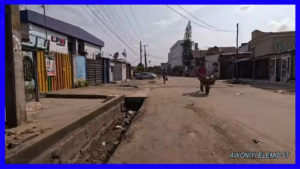
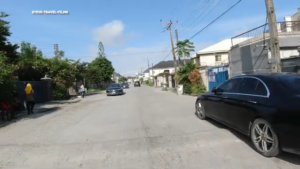
Three years later, the service charge had increased twice without a formal meeting or a written explanation that satisfied anyone. The central power supply the brochure described as a major selling point runs, by her count, an average of six hours in twenty-four. The generator fills the corridor outside her door with a low-frequency vibration from six in the morning that she has stopped noticing only because her body has made a separate peace with it. The road leading to the estate from the expressway, which was smooth the day she moved in, now has two craters that have been there since the rainy season before last. And the flat one floor below hers has been empty for fourteen months because the owner, who bought it as an investment, cannot find a tenant willing to pay what the location now demands against what it actually delivers.
I told her about a woman I had spoken with the previous month, a civil servant, secondary school vice principal, who had bought a three-bedroom in Abraham Adesanya Estate around the same period Folake had bought on the Lekki axis. Paid significantly less. Not a dramatic difference in construction quality, I told her, because Lagos developers at a certain price point are largely drawing from the same palette of finishes and compromises. But she had paid less, which meant her service charge pressure was proportionally more manageable, her expectation of the address was calibrated to what the address could currently support, and when the road outside her compound developed problems, the problem was on a road that the community had some familiarity with lobbying about, because nobody in Abraham Adesanya had ever been sold a fantasy about the road in the first place.
This is the part that I did not fully anticipate when I started paying attention to how buyers were moving along this corridor. The premium that people pay for a Lekki address, and I mean specifically the addresses between Phase 1 and the Chevron axis, increasingly contains a psychological component that the physical property cannot redeem. You are paying for how the address sounds. For what it signals to your colleagues, your family, the people at your church who ask where you live now. And Lagos being Lagos, that signal has real social weight. I am not dismissing it. But signal and livability are two different budgets, and a lot of buyers along that corridor have been managing both from the same account without realising it.


What changed my thinking on this was not Folake’s situation specifically. It was when she showed me the listing. She had been, she admitted, quietly watching properties in Abraham Adesanya for about eight months. Not seriously, she said. Just looking. The listings she showed me were for three-bedrooms. Some had been recently renovated. The price gap between what she had paid and what these were asking was the thing that sat in the car between us without either of us naming it directly.
The honest problem with buying an address in Lagos is that the address does not maintain itself. The prestige of a location is not a fixed asset. It is a living thing that requires the road to stay motorable, the management to stay competent, the neighbours to stay invested, and the infrastructure promises to eventually arrive. When any of those things fail, the premium you paid for the address does not refund itself. It just sits there in your balance sheet, explaining nothing.
Buy the flat you can afford to live in without apology, in an estate whose current condition you have personally walked through on a Tuesday morning when nobody is trying to sell you anything. The address can follow later. The money you overpay for it now will not.


Lukmon Isiaq is a Lagos-based property researcher and street-level writer who has spent years studying the Ajah corridor the way most people never bother: on foot, in compounds, and in conversation with landlords, tenants, caretakers, and estate agents who operate where the listings end and the real story begins.
He is not a property developer. He is not a real estate marketer. He is the person you call before you sign anything. The one who has personally walked flood-prone streets after October rain, argued with agents over undisclosed charges, and documented how the Lagos housing market actually works for ordinary Nigerians trying to make serious decisions with serious money.
His writing on Abraham Adesanya Estate Lekki Ajah covers the Ajah corridor, Ikota Villa, Ajao Estate, Ogudu GRA, and the wider Lekki property market with one consistent standard: the honest version, not the brochure version.
He understands the gap between what a listing promises and what a tenant discovers on their first rainy season.


