




What Periwinkle Built, and What Everyone Else Did With It
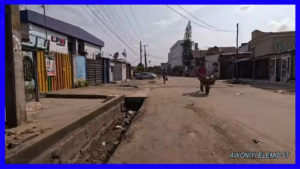
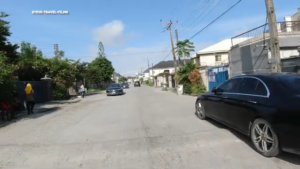
The gateman waved me through without asking for my details, which told me something about how the security protocol was working that afternoon. This was one of the newer estates off the Lekki-Epe corridor, somewhere past the Abraham Adesanya junction where the road narrows and the street lighting is more suggestion than fact, and the developer had marketed it specifically as a “secured lifestyle community inspired by the Periwinkle model.” That phrase was in the brochure. I had seen the brochure. The gateman, who looked like he had been on shift since the previous evening and had not slept, waved me through because I was wearing a collared shirt and carrying a notepad, and apparently that was enough.
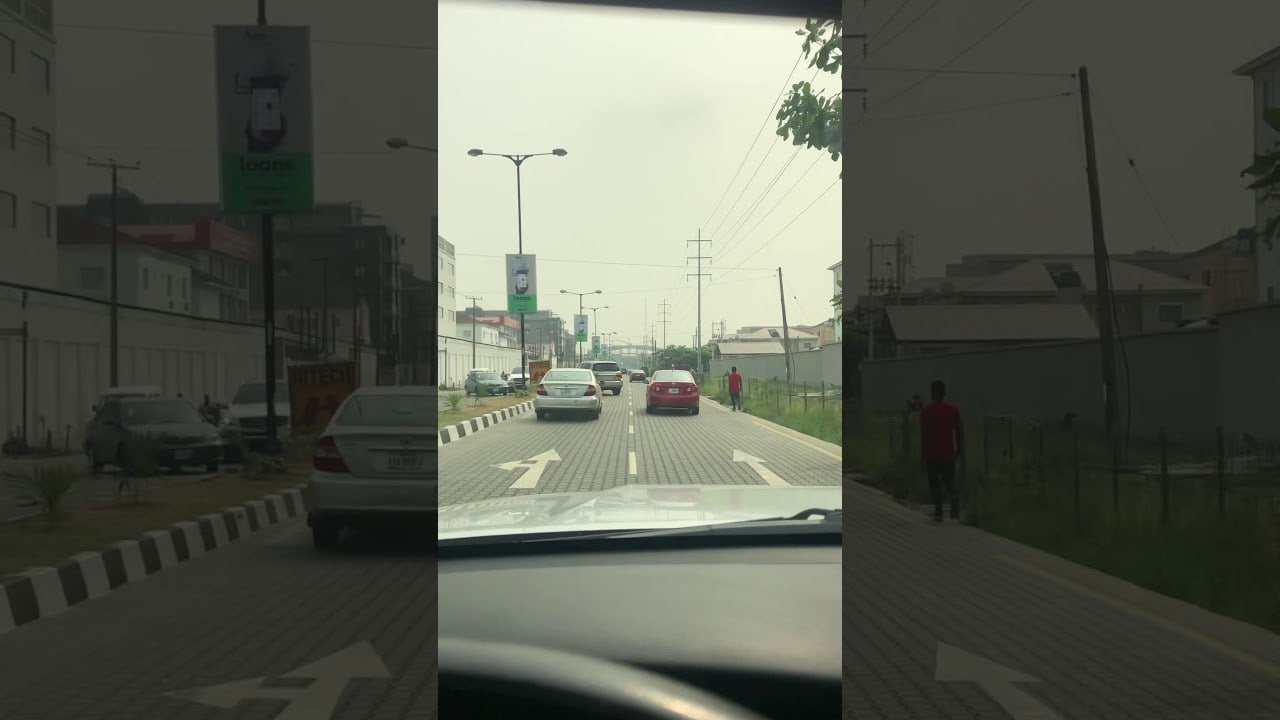
I thought about Periwinkle on the drive out. Because Periwinkle, when it arrived on this corridor, was genuinely doing something different. Not perfect. But different. It set a physical standard for what a gated residential estate in Lagos could look like, how it could feel to drive in and have the road hold under your tyres, to have the perimeter fence mean something, to have a management structure that at least attempted to enforce rules consistently. In a city where the baseline for residential infrastructure is so low that a tarred internal road is considered a luxury, Periwinkle signalled that something else was possible. That signal mattered. I am not going to pretend it did not.
But here is what happened to that signal. It got copied, relentlessly and carelessly, by developers who understood the aesthetics of what Periwinkle had done without understanding the operational commitment underneath it. The gatehouse got replicated. The name structure got replicated, which is why half the estates on this corridor are now named after plants or coastal features or aspirational English adjectives, Greenfield this, Bluewater that, Serene something else. The brochure language got replicated. The service charge mechanism, which is the part that actually funds the maintenance of everything the brochure promises, got replicated in form and then quietly abandoned in practice once the developer had collected their money and moved on to the next project.
I spoke with a resident inside one of these Periwinkle-adjacent estates last dry season, a man who had bought, not rented, bought a property there on the strength of a developer presentation that showed a gym, a recreational park, a backup power system for common areas, and roads that would be maintained by a residents association with a funded budget. Three years after he moved in, the gym was a locked room with equipment he had never seen used, the recreational park was a stretch of sand with some struggling plants, the backup power had not functioned in fourteen months, and the residents association was in a dispute with the original developer over who was responsible for road repairs that everyone agreed were necessary and nobody was paying for. He did not say any of this with anger. He said it the way Lagosians who have been in the city long enough say things that have moved past anger into a kind of tired accuracy.

What surprised me, genuinely, was when I eventually spoke with someone involved in the early planning of Periwinkle itself, not a developer, a consultant who had worked on the project. She told me that the original model had included a sustainability mechanism, a structured fund that was supposed to ensure maintenance could continue independent of developer involvement. It was in the plan. It got diluted during the commercial negotiation phase because buyers were more responsive to visible features like the gatehouse design and the road finish than to financial structures they could not see or immediately understand. So the fund shrank, and then disappeared, and the thing that would have made the model actually replicable was the first thing removed before anyone else tried to replicate it.
Every gated community in Lagos is now selling you the gate. Some of them are also selling you the road. Very few of them have worked out how to sell you the ten-year maintenance plan in a way that anyone believes or can enforce, and the developers who have figured that out are mostly not operating at the price point that serves the families actually looking to settle along this corridor.
This is the honest version of the Periwinkle legacy. It raised the standard for what Lagos residential development could look like. It also, without meaning to, handed the industry a marketing language that now gets applied to properties that have no intention of delivering what that language implies. The word lifestyle, on a Lagos property billboard, has been emptied of almost all its original meaning.
Before you buy or rent inside any gated estate on this corridor, ask specifically who manages the estate after the developer exits, what the service charge covers in writing, and whether there are audited accounts from the residents association you can review. If there are no audited accounts because the estate is new, ask what the legal structure is for the association and whether it is registered. An estate with a beautiful gate and no functional management structure is just an expensive compound with better branding.


Lukmon Isiaq is a Lagos-based property researcher and street-level writer who has spent years studying the Ajah corridor the way most people never bother: on foot, in compounds, and in conversation with landlords, tenants, caretakers, and estate agents who operate where the listings end and the real story begins.
He is not a property developer. He is not a real estate marketer. He is the person you call before you sign anything. The one who has personally walked flood-prone streets after October rain, argued with agents over undisclosed charges, and documented how the Lagos housing market actually works for ordinary Nigerians trying to make serious decisions with serious money.
His writing on Abraham Adesanya Estate Lekki Ajah covers the Ajah corridor, Ikota Villa, Ajao Estate, Ogudu GRA, and the wider Lekki property market with one consistent standard: the honest version, not the brochure version.
He understands the gap between what a listing promises and what a tenant discovers on their first rainy season.


