




There is a particular phone number that keeps appearing on WhatsApp property groups in this corridor, and when I finally called it three weeks ago, the man on the other end told me he could get me access to an AMCON property in Lekki Phase 2 for a price that was, and I am quoting him directly, “well below what you would find anywhere.” He was confident, warm, the kind of voice that has sold things before. I asked him how he was connected to the process. There was a pause, then a slight adjustment in tone. “I have contacts inside,” he said. I thanked him and ended the call.
That phone number does not appear on any official AMCON document. It appears on a flyer designed to look official.
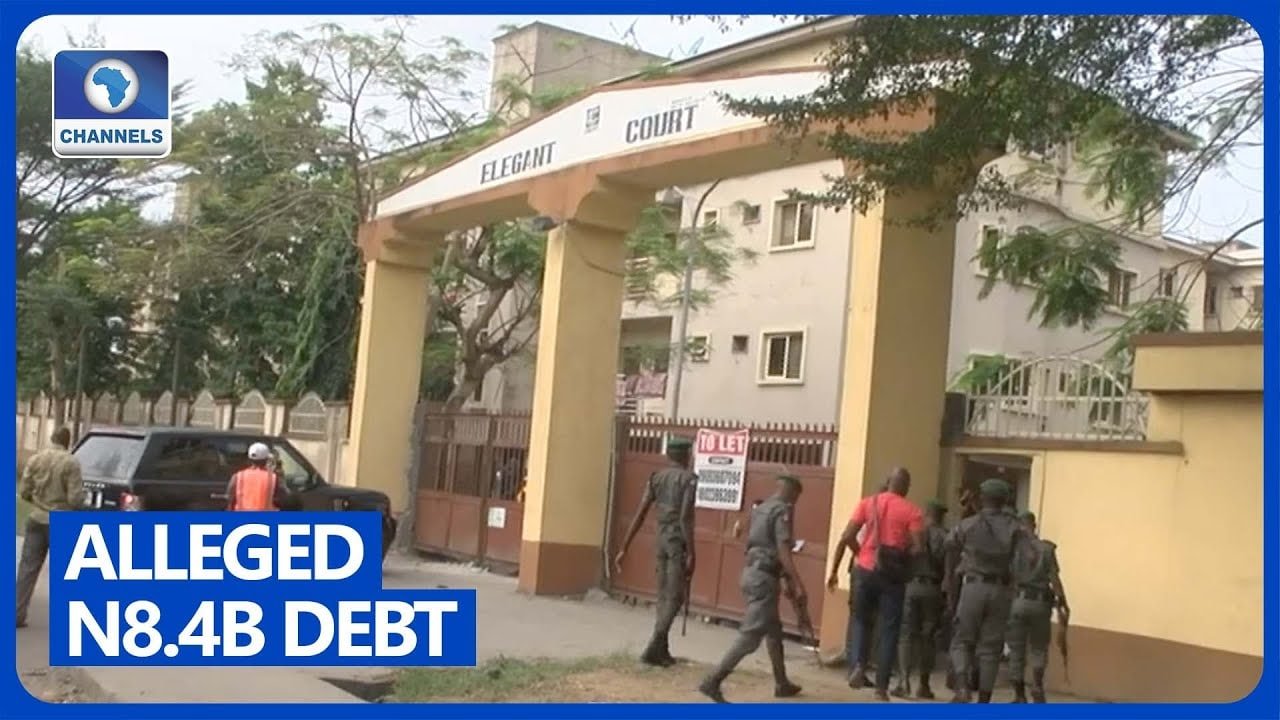
The Asset Management Corporation of Nigeria has been offloading seized properties for years, absorbing the bad debts of banks that lent to developers and businessmen who could not repay, and converting those loans into physical assets that now need buyers. The listings are sometimes genuinely attractive. Completed builds in good locations, properties that in a normal market would carry price tags that push serious buyers to their limits, now available through what is presented as a transparent bidding process at potentially reduced entry points. If you read the announcements the way they are written, it sounds almost straightforward.
It is not straightforward. Let me explain why.
The first problem is the title situation, and it is a problem that several property lawyers I have spoken with in this corridor describe in terms that should give any buyer serious pause. When AMCON acquires a property from a defaulting debtor, it acquires the asset as it stands, which means it acquires all the legal complexity attached to it. Some of these properties have titles that were never perfected by the original developer. Some have C of O processes that were started and abandoned. Some sit on land where the original allocation documents have questions around them that nobody has resolved because the debt crisis buried the paperwork and everyone involved moved on. You are not just buying a building. You are buying the building’s entire legal history, and nobody from AMCON is going to hand you a neat summary of it.
I sat with a man in a flat in Abraham Adesanya last month, a man who had purchased what he believed was a fully cleared AMCON property in the Ajah corridor two years ago. Decent building, three-bedroom, the kind of place that should have been simple. What he discovered after completing the transaction was that there was a sitting tenant in the property who had a valid lease with the original owner, a lease that predated the AMCON acquisition, and who had every intention of remaining in the flat until that lease expired. He had bought a property he could not immediately occupy. His lawyer, who had advised him to proceed, had not done a thorough enough physical inspection before completion. The tenant was not hiding. He was simply never asked.

What genuinely shocked me was not that this had happened. It was that the man told me he knew two other people who had gone through a nearly identical situation with different AMCON properties in Lagos. This is not a rare edge case. It is a pattern.
Here is what I want to say directly, because I think it needs to be said plainly: the way AMCON sales are currently structured places the full burden of due diligence on the buyer while the process itself generates urgency that works against careful investigation. The bidding timelines are tight. The competition is presented as fierce. There is always someone ready to tell you that if you do not move now, another buyer is waiting. This is the same pressure tactic that Lagos estate agents have used since the beginning of time, and I am not impressed by it regardless of whether the institution behind it has a federal mandate.
I am also not impressed by the unofficial middle layer that has grown around these sales. The brokers who are not brokers, the contacts who are not contacts, the men with numbers on WhatsApp flyers who will, for a facilitation fee, smooth your path through a process that is technically public and open to anyone. That facilitation fee is money spent on access to something you already have the right to access. And the person collecting it has no liability for what happens after you sign.
Before you go near any AMCON property listing, you need an independent property lawyer, not one recommended by anyone connected to the transaction, to search the title at the Land Registry. You need a physical visit to confirm the actual occupation status of the property. You need to request the full encumbrance history from AMCON directly and in writing. And you need to give yourself enough time to do all of this properly, because the deal that cannot wait is almost always the deal you will regret.
The price may look like an opportunity. Make sure you are not paying discounted naira for full-price problems.


Lukmon Isiaq is a Lagos-based property researcher and street-level writer who has spent years studying the Ajah corridor the way most people never bother: on foot, in compounds, and in conversation with landlords, tenants, caretakers, and estate agents who operate where the listings end and the real story begins.
He is not a property developer. He is not a real estate marketer. He is the person you call before you sign anything. The one who has personally walked flood-prone streets after October rain, argued with agents over undisclosed charges, and documented how the Lagos housing market actually works for ordinary Nigerians trying to make serious decisions with serious money.
His writing on Abraham Adesanya Estate Lekki Ajah covers the Ajah corridor, Ikota Villa, Ajao Estate, Ogudu GRA, and the wider Lekki property market with one consistent standard: the honest version, not the brochure version.
He understands the gap between what a listing promises and what a tenant discovers on their first rainy season.


