

The caretaker at the estate on the Sangotedo side did not know his building was on any list until the yellow truck appeared at the gate one Tuesday morning. That was how he described it to me: a yellow truck, two men in LASBCA vests, and a notice that had apparently been served to the landlord three months earlier and had never made its way down to the person who actually lived on the property and managed it day to day. The landlord was in Abuja. The caretaker was the one standing at the gate in his house slippers trying to understand what was happening to a structure he had been maintaining, collecting rents for, and reporting to for eleven years.
The notice said the building had an unapproved extension. A two-room addition built onto the back of the original structure sometime in 2019, with its own separate entrance and its own tenants, two of whom were sitting inside it at that moment unaware that their accommodation had just become a compliance problem with a deadline attached.
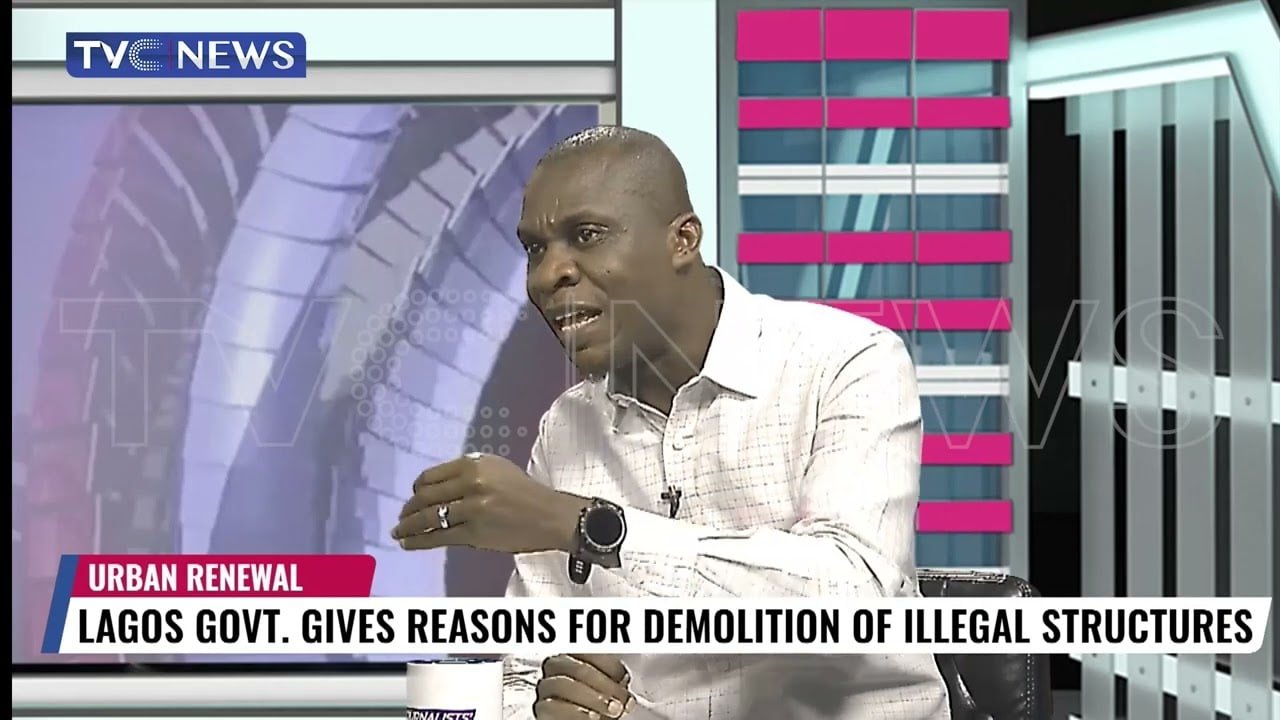
I am telling you this particular story because it captures something that the official announcements about the Lagos State government’s ongoing enforcement action against illegal structures in identified estates do not capture. The announcements list addresses. They cite regulations. They use language designed to sound measured and procedural. What they do not tell you is that the chain of information between a government notice and the person most affected by it is broken in ways that this city has never seriously tried to fix.
Lagos has been threatening to come for illegal structures since before some of the people reading this were born. The threats come in cycles, usually after a building collapse makes the newspapers, or when a new administration needs to signal seriousness in its first year. I have watched this pattern enough times to be unsentimental about it. The enforcement is real when it happens. It is also selective in ways that have never been adequately explained. A two-room extension behind a compound in Sangotedo becomes a demolition target while a completely unapproved commercial conversion in a more visible estate on the same expressway continues operating because someone who matters has an interest in its continued operation. I have seen this. I am not speculating.
What has shifted in the current cycle, and what I think people in this corridor specifically need to pay attention to, is the scope. The twelve estates flagged in the current enforcement sweep are not limited to the obvious targets. Several of them are residential communities that residents would describe as orderly, well-managed, and above the kind of chaos usually associated with regulatory action. Which means that if you are a property owner or tenant in this axis who has been operating on the assumption that your compound is too respectable to attract this kind of attention, that assumption needs revisiting.
The structures at risk are not only dramatic additions. They include covered car parks that exceeded approved dimensions, fence extensions that crossed into drainage setbacks, Boys Quarters constructed on land that the original building approval designated as green space, and in several cases, entire floors added to buildings whose structural approvals were for fewer storeys. These additions are everywhere in Lagos. They are normal. Most landlords who made them did not think of themselves as building illegally. They thought of themselves as making sensible use of available space in a city where available space is expensive and underutilized land is money left on the ground.
The part that genuinely stopped me when I was going through documentation on this was the approval timeline. Several of the structures now flagged for enforcement received verbal clearance or informal sign-off from local government officials at the time of construction. Not written approval. Not stamped plans. A conversation, a handshake, and in some cases a cash transaction that everyone understood the meaning of. Those informal clearances are now worth exactly nothing, and the people who paid for them have no recourse against anyone because no transaction that should not have happened was ever recorded anywhere.
I will say what needs to be said: the culture of informal approval that Lagos officials have cultivated for decades, the nods and the arrangements and the look-the-other-way payments that have kept the construction ecosystem moving, has placed ordinary property owners in a position where they cannot defend their own buildings with documentation because the documentation was never the point. The officials who collected those payments are not the ones facing the yellow truck. The landlords are. That is worth being angry about, even while you are sorting out your papers.
If your property or your rented accommodation sits inside any of the twelve estates currently under enforcement review, the first thing to do is obtain the actual approved building plan from the original developer or landlord and compare it physically against the current structure. Not conceptually. Room by room. If anything in the current structure does not match what was approved, you need that conversation with a property lawyer before the truck arrives, not after.
A notice served to a landlord in Abuja is still a notice. The caretaker in his house slippers found that out on a Tuesday. You should not find it out the same way.

Lukmon Isiaq is a Lagos-based property researcher and street-level writer who has spent years studying the Ajah corridor the way most people never bother: on foot, in compounds, and in conversation with landlords, tenants, caretakers, and estate agents who operate where the listings end and the real story begins.
He is not a property developer. He is not a real estate marketer. He is the person you call before you sign anything. The one who has personally walked flood-prone streets after October rain, argued with agents over undisclosed charges, and documented how the Lagos housing market actually works for ordinary Nigerians trying to make serious decisions with serious money.
His writing on Abraham Adesanya Estate Lekki Ajah covers the Ajah corridor, Ikota Villa, Ajao Estate, Ogudu GRA, and the wider Lekki property market with one consistent standard: the honest version, not the brochure version.
He understands the gap between what a listing promises and what a tenant discovers on their first rainy season.
